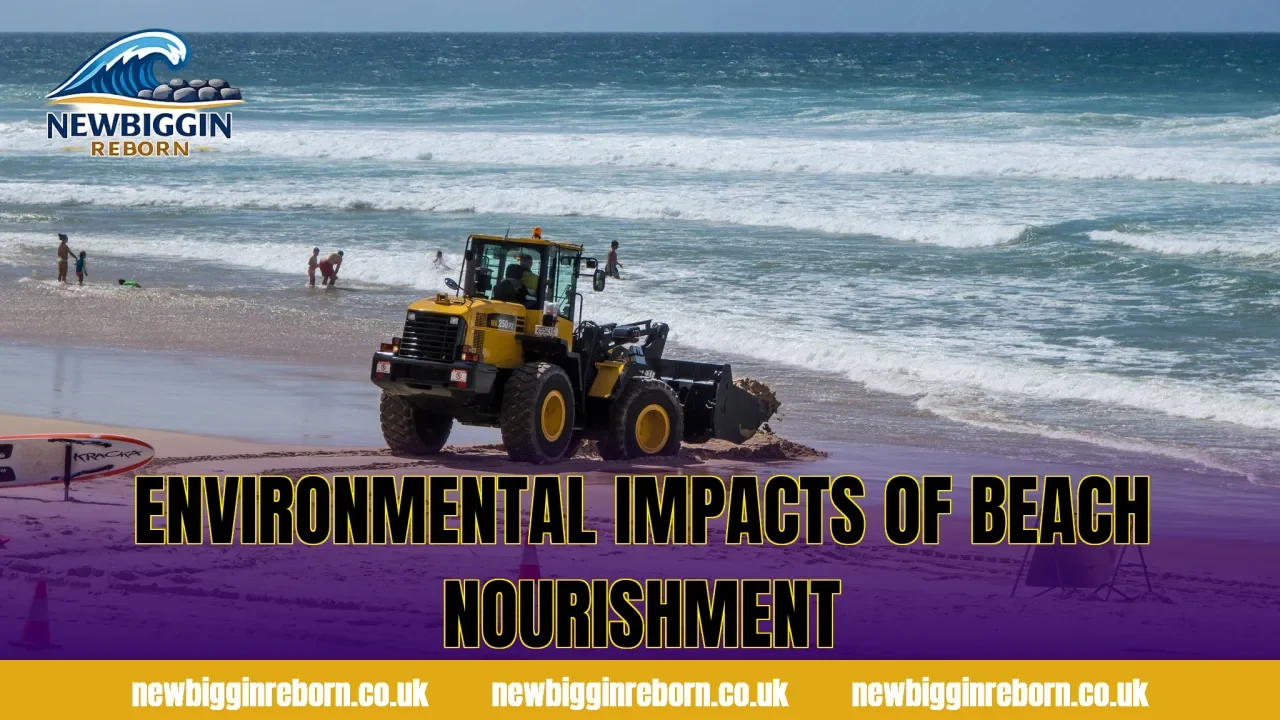
Beach nourishment environmental impacts are reshaping how coastal managers, scientists, and communities think about shoreline protection. As sea levels rise and storm events intensify, pumping sand onto eroding beaches has become a go-to engineering solution worldwide. But this approach carries real ecological consequences that deserve serious attention. This article breaks down the core environmental effects of beach nourishment, from disrupted marine habitats to long-term sediment dynamics, and examines how projects like those at Newbiggin-by-the-Sea are navigating these trade-offs responsibly.
Beach nourishment environmental impacts on coastal ecosystems
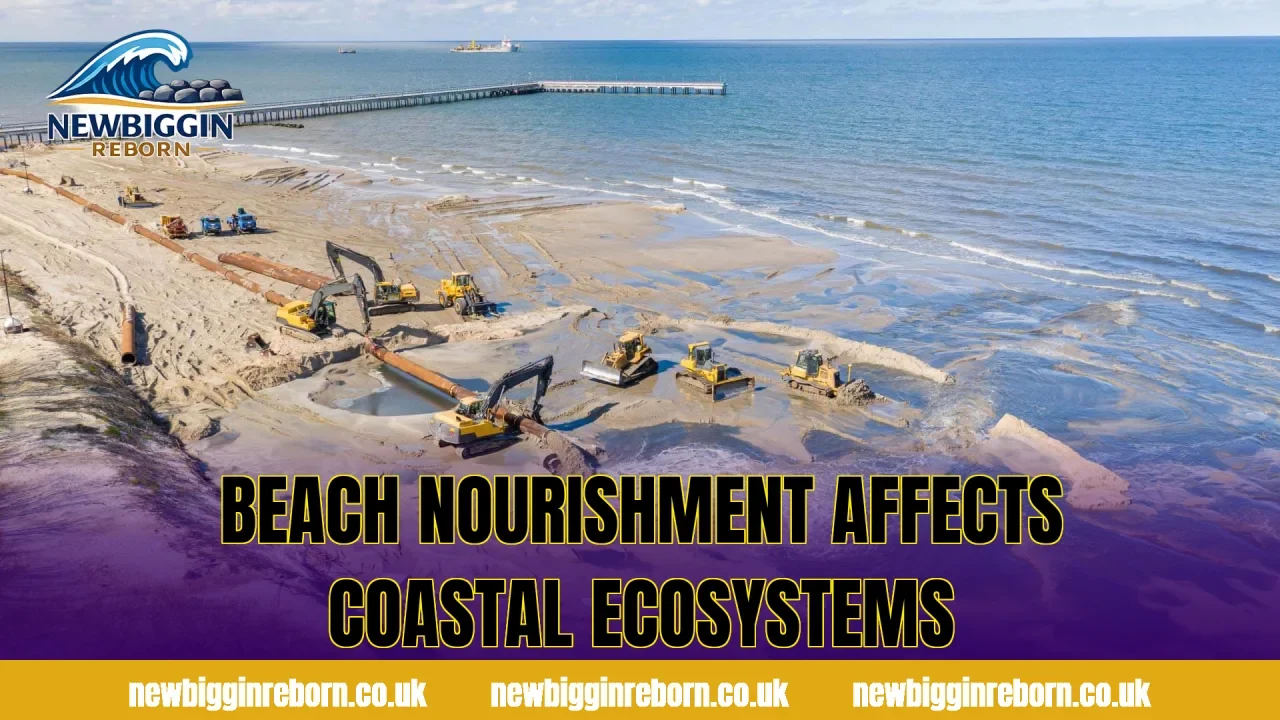
When large volumes of sand are deposited along a shoreline, the transformation is not just visual. The entire ecological fabric of the intertidal and nearshore zone shifts in response, affecting species that have adapted to specific sediment compositions over many generations.
How nourishment alters intertidal habitats
The beach nourishment environmental impacts on intertidal zones begin almost immediately after dredging and deposition operations start. Native invertebrates such as sand crabs, polychaete worms, and bivalves are often buried under several meters of introduced sediment. Recovery timelines vary widely, but studies from the U.S. Atlantic coast suggest that benthic communities can take anywhere from one to three years to reestablish meaningful population densities after a major nourishment event.
Sediment grain size and organism compatibility
Not all sand is equal, and the mismatch between borrow material and native sediment is one of the most overlooked beach nourishment environmental impacts in project planning. When coarser or finer material is introduced, it changes drainage patterns, alters surface temperature, and makes burrowing more difficult for resident fauna. Sea turtle nesting success, for example, is directly tied to compaction levels and moisture retention, both of which shift when non-native sand replaces the original substrate.
Turbidity plumes and subtidal damage
Dredging operations generate turbidity plumes that can extend several kilometers from the borrow site, smothering seagrass beds and coral communities in shallow subtidal areas. These suspended sediment clouds reduce light penetration, disrupt photosynthesis, and clog the filter-feeding apparatus of organisms like oysters and mussels. The beach nourishment environmental impacts in these subtidal zones are often more persistent than those observed on the beach face itself.
Beach nourishment environmental impacts across different project phases
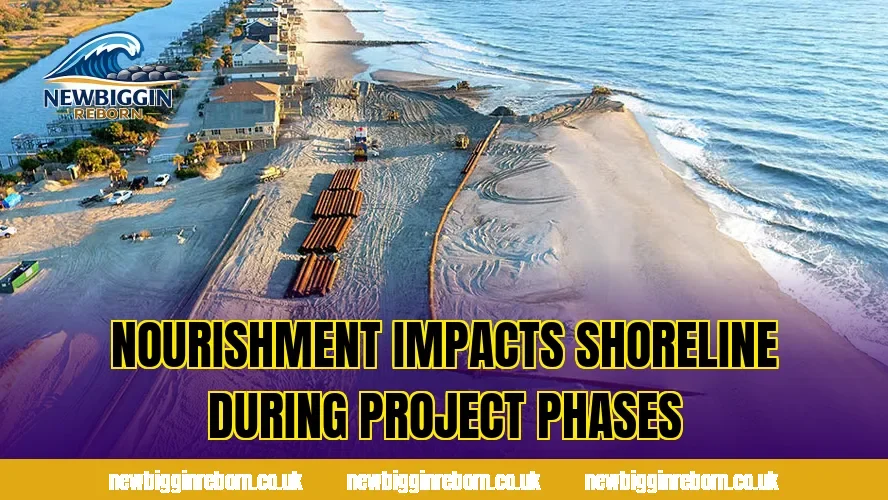
The ecological footprint of a nourishment project is not limited to the moment sand hits the shoreline. Each phase of the operation, from site survey to post-project monitoring, carries its own set of environmental considerations that responsible project managers must address.
Pre-construction surveying and disturbance
Even before the first dredge enters the water, the assessment and preparation phase introduces disturbance to sensitive habitats. Vessel traffic, acoustic surveys, and sediment sampling all carry a degree of ecological cost, particularly in areas with active seabird colonies or seasonally important fish spawning grounds. Understanding the full scope of beach nourishment environmental impacts requires factoring in these preparatory activities alongside the main construction work.
Active pumping and nearshore hydrodynamics
During active pumping, the introduction of slurry onto the beach face temporarily alters wave run-up patterns, nearshore circulation, and sediment transport pathways. These hydrodynamic changes can redirect longshore drift in ways that cause unexpected erosion at adjacent unprotected shoreline segments. The beach nourishment environmental impacts on neighboring beaches, sometimes called sand-sharing reaches, are an area where project assessments frequently underestimate cumulative effects.
Post-nourishment monitoring and adaptive management
Effective mitigation of beach nourishment environmental impacts depends heavily on what happens after construction ends. Rigorous post-project monitoring that tracks benthic recovery, shorebird usage, and sediment volume loss allows managers to adjust maintenance schedules and borrow sources over time. Projects that invest in this adaptive management cycle consistently show better ecological outcomes than those that treat nourishment as a one-time fix rather than an ongoing stewardship commitment.
Weighing costs and benefits of sand replenishment
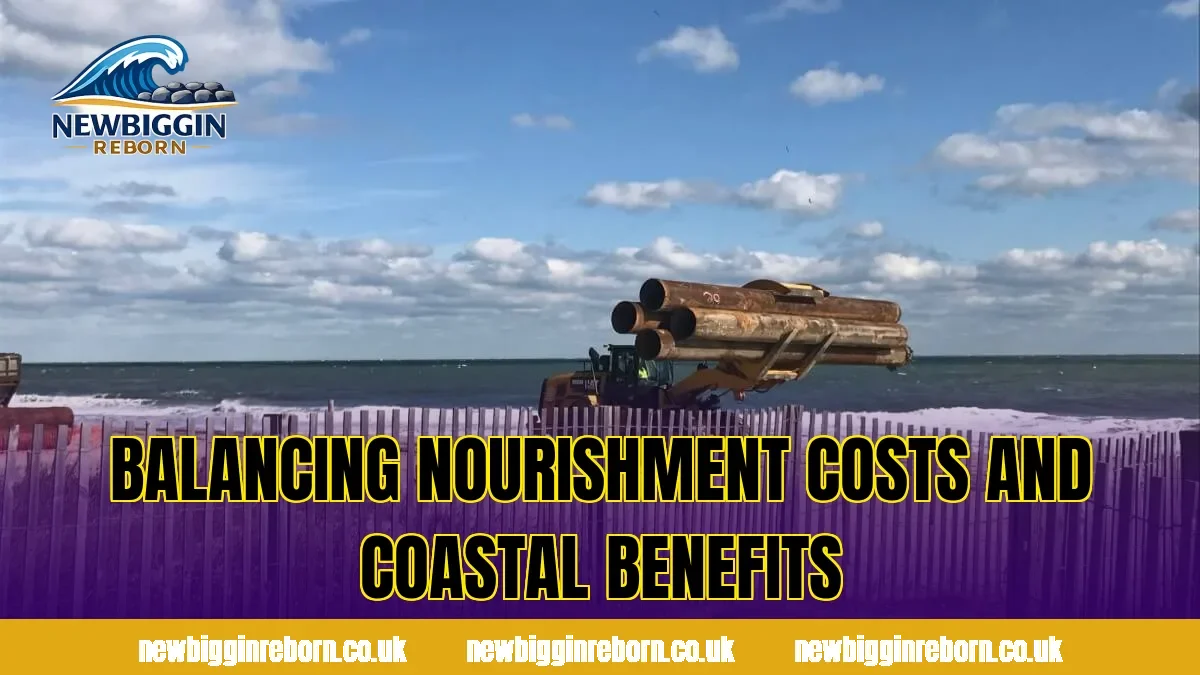
Decision-makers rarely have the luxury of choosing between a perfect solution and an imperfect one. In most coastal management scenarios, the real choice is between accepting the ecological costs of nourishment or accepting the social and economic costs of beach loss, property damage, and increased flood risk.
Economic value versus ecological sensitivity
Coastal communities depend on beaches for tourism revenue, property values, and cultural identity, which is why the economic case for nourishment is often compelling. However, placing that economic value against the ecological sensitivity of a given site is not straightforward. The beach nourishment environmental impacts in a location hosting rare shorebird species or endemic invertebrate populations carry a very different weight than those in a heavily urbanized stretch of shoreline with already degraded habitat.
Comparing nourishment to hard engineering alternatives
Seawalls, groins, and revetments offer shoreline protection without the recurring sediment disturbance of nourishment, but they accelerate beach narrowing and eliminate the very resource they are meant to protect. Most coastal geomorphologists now agree that nourishment, despite its documented beach nourishment environmental impacts, preserves more of the natural beach system than hard structures over a multi-decade planning horizon. The key is designing projects that minimize borrow site damage and respect local ecological calendars.
Seasonal timing as a mitigation tool
One of the most practical strategies for reducing beach nourishment environmental impacts is scheduling construction outside of critical biological windows such as sea turtle nesting season, shorebird breeding periods, and peak fish spawning months. This approach does not eliminate ecological disruption, but it significantly reduces the risk of impacting the most vulnerable life stages of key indicator species. Several European and North American coastal management frameworks now mandate seasonal restrictions as a standard permit condition.
| Project phase | Primary environmental concern | Affected species/habitat | Mitigation approach |
|---|---|---|---|
| Pre-construction survey | Acoustic disturbance, vessel traffic | Marine mammals, seabirds | Seasonal survey windows, passive monitoring |
| Dredging at borrow site | Habitat destruction, turbidity plumes | Benthic invertebrates, seagrass | Borrow site rotation, turbidity curtains |
| Active sand deposition | Burial of intertidal fauna, sediment mismatch | Sand crabs, polychaetes, sea turtles | Grain size matching, nesting season avoidance |
| Post-project stabilization | Altered hydrodynamics, adjacent erosion | Shorebirds, adjacent dune vegetation | Monitoring programs, adaptive fill schedules |
| Long-term maintenance | Cumulative disturbance, repeated burial | Full intertidal community | Extended inter-nourishment intervals, habitat surveys |
Conclusion
Beach nourishment environmental impacts are real, measurable, and must be factored into every coastal management decision from the earliest planning stage. With thoughtful site selection, grain size matching, seasonal timing, and post-project monitoring, many of the most damaging effects can be reduced without abandoning the shoreline protection benefits that communities need. To explore how these principles are being applied in practice, visit Newbiggin Reborn and see how one coastal community is leading the way in responsible beach management.
Read more: Beach vacation ideas with Newbiggin Reborn for coastal escapes