Lưu trữ danh mục: Beach Recharge

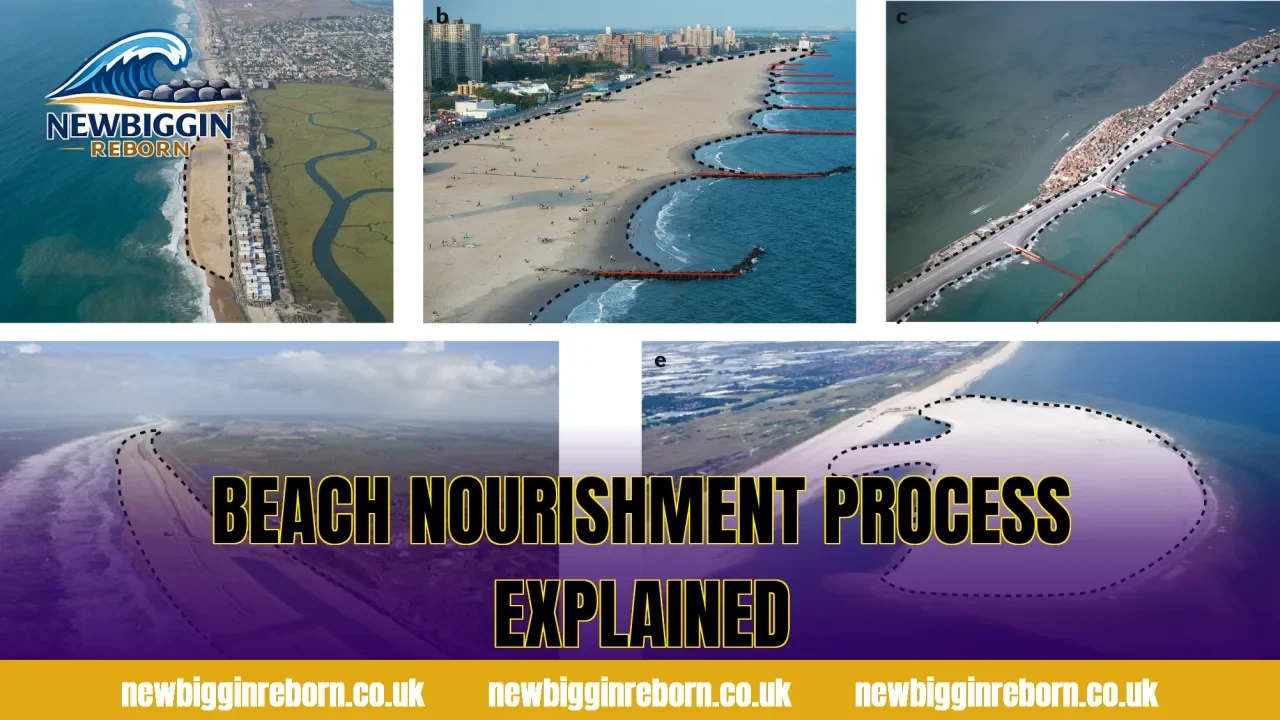
Beach Recharge explains how Newbiggin Reborn can protect the shoreline while restoring public use, local confidence, and visitor appeal. The work responds to severe erosion, falling beach levels, and pressure on sea walls around Newbiggin Bay. It uses imported sand, controlled placement, offshore retention, and continuing monitoring rather than short visual repair. The approach links coastal engineering with recreation, safety, habitat care, and long term economic renewal.

Beach Recharge And Coastal Renewal Work At Newbiggin

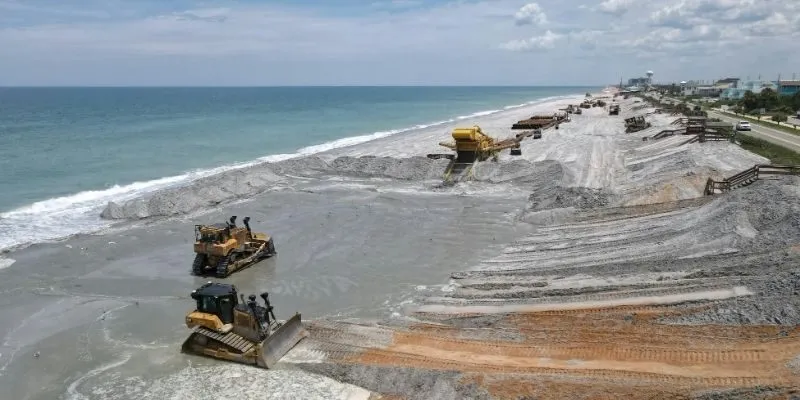
The Newbiggin Bay scheme responded to a beach that had severely eroded over many years. If the shoreline continued to recede, sea walls could begin failing and nearby properties would face greater risk. The adopted strategy imported new sand while using an offshore breakwater to retain material inside the bay. This combination rebuilt the recreational shoreline and gave the promenade a stronger visual and protective setting.

Beach Recharge rebuilds coastal confidence

Technical Reasons Behind Beach Recharge

The method was necessary because beach levels had fallen enough to weaken natural wave absorption. Parliamentary discussion before construction noted that mining subsidence and clay erosion had removed much of the previous sand cover. Lower levels allowed waves to strike hard defences with more force during rough conditions. Adding material widened the buffer zone, reduced direct pressure, and created a safer public edge.

Sand Source And Standard Nourishment Volume

The project used 500,000 tons of new sand, drawn from a licensed area near Skegness. Boskalis records also describe 300,000 cubic metres being dredged and pumped ashore. That volume was large enough to reshape the bay rather than patch one narrow section. Beach Recharge therefore operated as a full coastal intervention, supported by engineered retention and promenade enhancement.

Transport, Pumping, And Shoreline Levelling

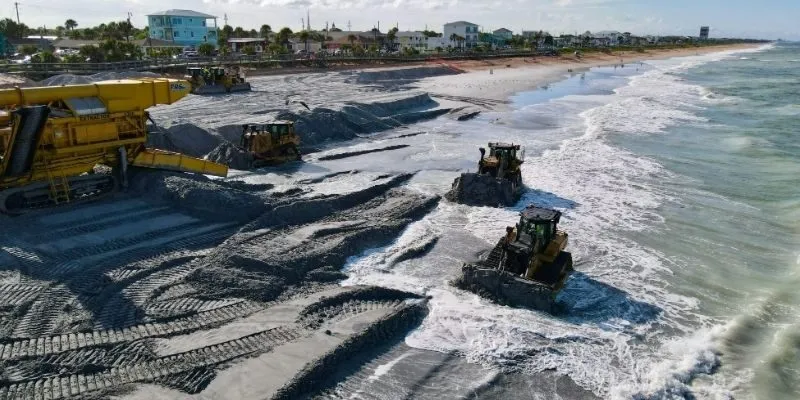
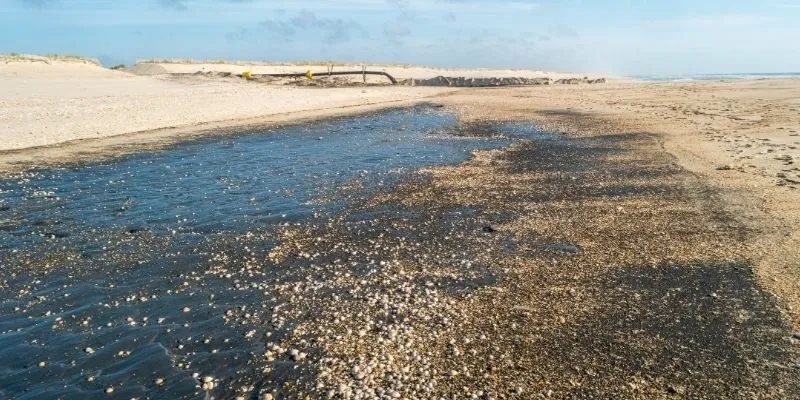
Transport required specialist dredging because the sand source was around nine hours from Newbiggin. Shallow water meant the vessel anchored about 1.5 kilometres offshore before linking to a pipeline running into the bay. The Trailing Suction Hopper Dredger Oranje pumped the material ashore in just three and a half weeks. After landing, the sand required controlled spreading so the beach profile could support waves, access, and public recreation.

Reducing Marine Ecosystem Disturbance

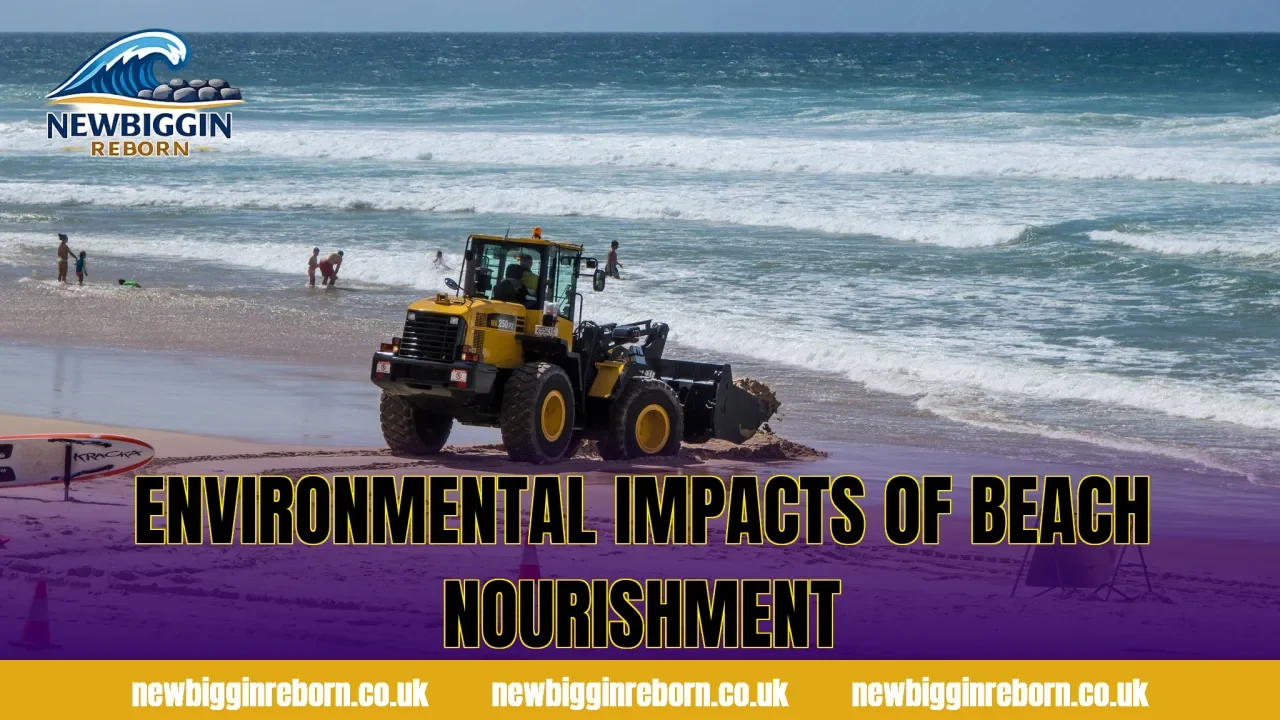
Environmental care should begin before dredging, not after visible disturbance appears. Licensed extraction areas, timing controls, sediment checks, and monitoring reduce avoidable damage to marine habitats. The bay also needs attention to birds, rock pools, water quality, and nearshore sediments during later maintenance. Beach Recharge can remain acceptable only when ecological evidence is reviewed alongside engineering performance.

Safety Signage During Construction

Clear signage protects residents, visitors, workers, and businesses during active construction. Notices should mark closed areas, machinery routes, viewing points, emergency contacts, tide warnings, and alternative paths. The original scheme included public communication tools because residents were sceptical about dredging operations. A modern version should add QR updates, daily closure notices, and multilingual hazard messages where visitor demand requires them.

Sustainable Performance Of Beach Recharge Over Time

Long term value depends on whether the nourished beach remains functional after storms, tides, and seasonal movement. The Newbiggin project paired sand placement with a breakwater around 200 metres long, helping reduce erosion of the new material. Altogether, 60,000 tons of rock and concrete armour supported the offshore structure. Evaluation must therefore study the beach and breakwater together rather than judging the sand alone. This makes Beach Recharge a maintenance commitment, not a one time placement.

Stable sand needs active monitoring

Disaster Protection And Reduced Slope Failure

A wider beach helps absorb wave energy before it reaches sea walls and promenade structures. That buffer can reduce overtopping, scouring, and direct impact during strong weather. Beach Recharge should be reviewed after major storms because one extreme event may move material faster than normal seasonal drift. Inspection reports can identify whether additional shaping, access repair, or targeted topping up is needed.

Natural Landscape And Recreation Space Changes

The restored beach changed Newbiggin from an exposed defensive edge into a more usable coastal space. Families, walkers, anglers, photographers, and visitors can experience a wider sandy area instead of only hard protection. The improved setting also supports the Couple sculpture, promenade movement, and Maritime Centre visits. A successful scheme should look natural enough for daily enjoyment while remaining engineered enough to protect the town.

Monitoring Sand Height And Beach Recharge Quality

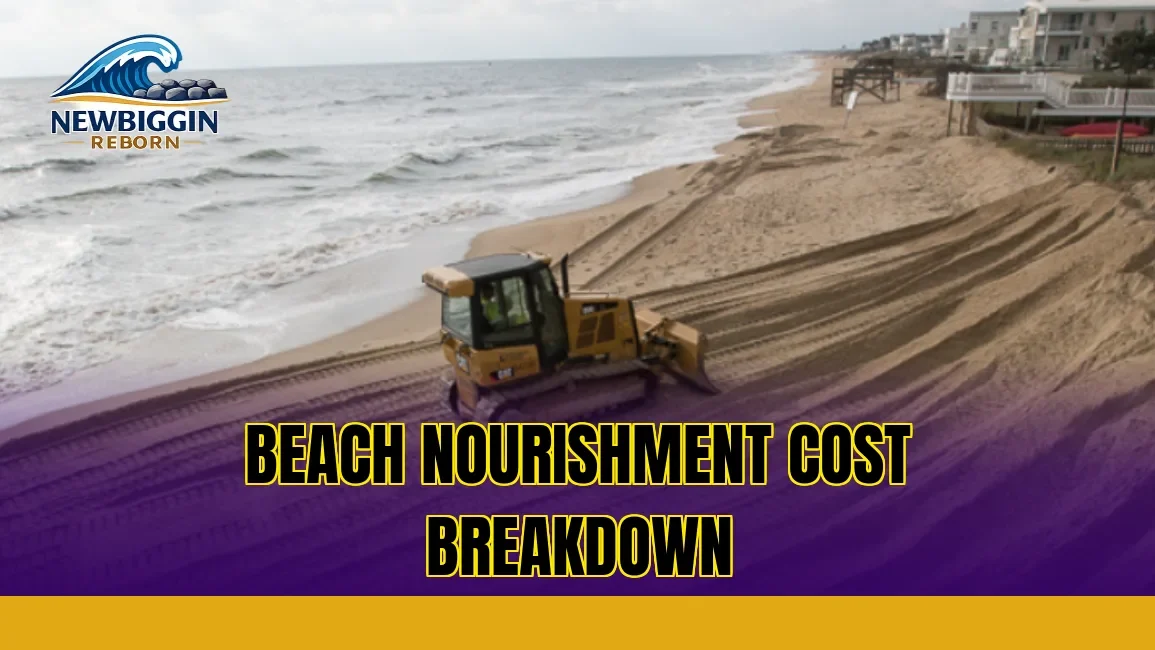
Regular measurement should record beach height, slope, grain size, visible clay, drainage patterns, and access condition. Survey teams can compare fixed profile lines every six months and after strong storms. Photographs from identical points help residents understand changes that numbers alone cannot explain. Monitoring results should be published clearly so future maintenance decisions appear evidence based.

Maintaining Sand Stability Against Currents

The breakwater is central because nourished material would otherwise move more quickly under waves and currents. Interlocking concrete armour and rock core help dissipate energy before it strips sand from the bay. The shoreline management approach for Newbiggin Bay supports maintaining defences with foreshore recharge operations. Beach Recharge should therefore be planned as a cycle of observation, retention, and selective renewal.

Tourism And Local Economic Meaning Of The New Shoreline

The rebuilt beach supports more than coastal defence because it shapes how visitors and residents use the town. A wider bay encourages walking, photography, family visits, school learning, and longer stays near cafés and local shops. The project also enhanced the promenade, making the seafront more attractive for public use and visitor movement. These improvements support tourism without reducing the town to a single seasonal product.

Tourism grows from a stronger shoreline

The economic value should be measured through footfall, dwell time, business confidence, event attendance, and visitor satisfaction. Beach Recharge also protects the physical setting that makes the Maritime Centre, coastal walks, and offshore artwork more appealing. Suggested local targets could include 15 percent growth in off season promenade activity and 500 residents engaged through annual coastal education.

Conclusion

Beach Recharge gives Newbiggin Reborn a practical way to connect coastal defence, public amenity, environmental monitoring, and local economic renewal. The completed scheme showed that 500,000 tons of sand, engineered retention, careful pumping, and public communication could transform a vulnerable bay into a more confident seafront. Future maintenance must continue measuring sand levels, ecological effects, safety needs, and visitor use instead of treating the work as finished forever.

Beach Nourishment Guide For Newbiggin Coastal Bay Works

Beach nourishment explains how Newbiggin Reborn can maintain a living shoreline while protecting homes, public [...]