Lưu trữ danh mục: Breakwater Construction
Breakwater Construction explains how Newbiggin Reborn can protect a vulnerable bay while supporting beach recharge, public access, and long term storm resilience. The offshore structure is not only a wall against waves; it is a carefully designed system that changes energy, sediment movement, and shoreline stability. At Newbiggin Bay, records show that construction used major rock and concrete armour before sand was pumped ashore.
Breakwater Construction Process Protecting Newbiggin Coast
The process begins with understanding seabed shape, wave exposure, sediment movement, navigation risk, and how the inner sea walls already perform. Newbiggin had faced serious erosion, exposed clay, and pressure on hard defences before the offshore structure was built. Project records describe a detached breakwater supported by rock core, concrete armour, and careful sequencing before beach recharge followed.
Seabed Surveys And Location Selection
A seabed survey must confirm water depth, ground strength, sediment layers, scour risk, and safe working access before any rock is placed. Engineers also need wave records, tide ranges, storm exposure, and navigation constraints to decide the most effective position. In Newbiggin, the breakwater was placed offshore so it could protect the bay without closing the coast visually. Breakwater Construction succeeds only when location balances engineering performance, marine movement, public views, and maintenance access.
Geometric Design And Wave Reduction Calculations
Designers shape the structure to reduce incoming wave energy while avoiding harmful turbulence near its ends. The crest height, side slopes, toe protection, armour size, and alignment all affect how waves refract and break. For Breakwater Construction, a detached form can calm water behind the structure, helping the beach remain more stable after nourishment. Calculations should also consider extreme storm events, overtopping tolerance, and future sea level pressure.
Rock Extraction, Transport, And Stockpiling Logistics
Large armour projects require reliable quarry supply, transport planning, storage areas, and quality checks before marine placement begins. Newbiggin’s offshore defence used about 60,000 tonnes of rock and concrete armour, proving the scale of logistical coordination. Materials must arrive in the right sequence because core stone, toe rock, and armour units perform different functions. Breakwater Construction therefore depends on procurement discipline as much as visible site activity.
Placing Rock And Coreloc Concrete Armour Units
Placement requires marine equipment, survey controls, and trained crews able to work accurately under tide and weather limits. Records show that work began with geotextile fabric, followed by rock core placement on the seabed. Concrete armour units then formed the outer protection, while heavier toe material helped resist movement at the base. This layered method improves stability because each component supports the next during repeated wave loading.
Maritime Safety During Offshore Works
Offshore construction must protect fishers, small vessels, site crews, visitors, and nearby beach users. Buoys, marine notices, exclusion zones, vessel tracking, and radio communication should be active before heavy materials are moved. Working windows must consider visibility, tide, wind, and public events along the bay. A safe system also needs emergency access, spill plans, first aid cover, and clear shore based information.
Quality Monitoring After Breakwater Construction
Quality control continues after the final armour unit is placed. Storms can move stones, scour edges, settle core material, or expose weaknesses that were not visible during calm inspections. The structure also changes sand movement, so engineers must examine the beach and breakwater together. For Breakwater Construction, monitoring should include underwater checks, drone imagery, fixed photographs, profile surveys, and post storm inspection reports.

Stability Testing Under Strong Wave Pressure
Stability testing should review armour displacement, crest settlement, toe scour, and damage after major weather events. Earlier parliamentary discussion about Newbiggin noted that undersized rock armour could be displaced by frequent storms, showing why correct sizing matters. Modern checks should compare design expectations with measured movement after each severe season. Breakwater Construction has lasting value only when structural behaviour is recorded and acted on.
Tracking Currents And Sand Movement Patterns
A detached breakwater can change currents, calmer zones, and sediment pathways inside a bay. That effect is useful when it helps retain replenished sand, but it still requires repeated evidence. Survey teams should compare beach levels, deposition pockets, erosion notches, and shifting channels during different seasons. These observations show whether the structure continues supporting the nourished beach or needs targeted maintenance.
Evaluating Protection For Inner Sea Defences
The offshore structure works with sea walls, promenade assets, access points, and beach material rather than replacing them entirely. Its value appears when wave energy reaching inner defences is reduced and sand remains available as a buffer. Engineers should inspect overtopping, wall exposure, drainage damage, and public route safety after storms. The results can guide whether future recharge, wall repair, or access redesign is needed.
Studying New Habitat Around The Structure Base
Rock and concrete surfaces can become habitat for marine life over time. Colonisation by algae, shellfish, small invertebrates, and fish may occur where water movement and surface texture support settlement. Ecologists should compare habitat growth with any unintended impacts on nearby sediment or species. Breakwater Construction should therefore be monitored as both a defence asset and a changing marine feature.
Disaster Protection Role Of The Offshore Breakwater
The breakwater’s main strategic value is reducing risk before storms reach the most vulnerable public and private assets. By weakening wave force offshore, it supports the beach, promenade, access routes, and surrounding coastal defences. Newbiggin’s wider scheme also included 300,000 cubic metres of beach recharge, showing that hard and soft measures can work together. Breakwater Construction becomes most effective when it is part of a wider resilience plan rather than an isolated structure.

The disaster planning role should be measured through post storm recovery time, beach level retention, repair costs, public closures, and visible damage. For Breakwater Construction, a useful target could include inspections within 48 hours after severe events and two public condition reports each year. Emergency planning should identify who checks the structure, who closes unsafe areas, and who communicates updates to residents. This makes the breakwater a managed protective system rather than a hidden object offshore.
>>> Read More: Promenade Improvements Guide For Newbiggin Coastal Walk
Conclusion
Breakwater Construction gives Newbiggin Reborn a durable way to combine wave reduction, sand retention, sea wall protection, maritime safety, and coastal adaptation. The Newbiggin scheme shows that geotextile, rock core, concrete armour, and careful sequencing can turn a vulnerable bay into a more stable shoreline. Future value depends on inspections, storm reviews, sediment monitoring, habitat checks, and honest public reporting. When managed as part of a layered defence strategy, the offshore structure can protect local assets while supporting recreation, ecology, and long term confidence.

Marine Civil Engineering By Newbiggin Reborn Explained
Marine civil engineering focuses on designing and maintaining structures that support safe and resilient coastal [...]
Coastal Protection Structures With Newbiggin Reborn
coastal protection structures help defend shorelines from waves, erosion, and changing sea conditions. Newbiggin Reborn [...]
Coastal Structures Guide For Newbiggin Shoreline Safety
Coastal structures give Newbiggin Reborn a practical framework for protecting the bay while supporting public [...]
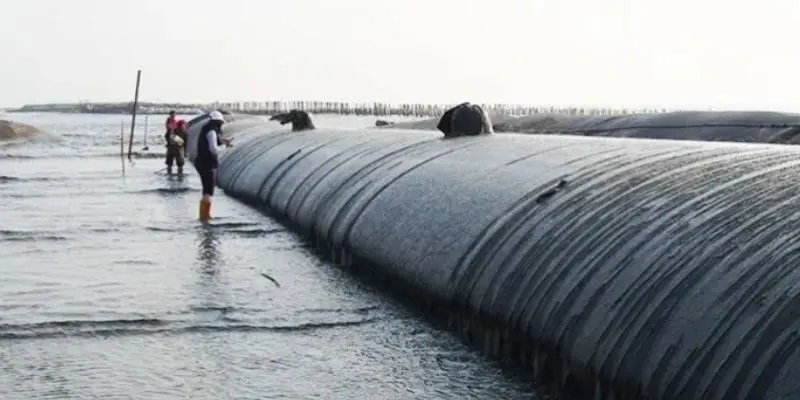
Wave Protection Plan For Newbiggin Coastal Safety Route
Wave protection gives Newbiggin Reborn a practical framework for defending the bay while keeping public [...]
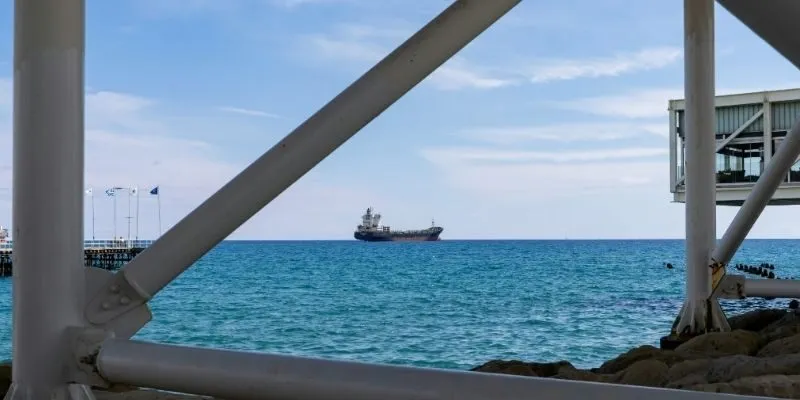
Marine Construction Guide For Newbiggin Offshore Assets
Marine construction gives Newbiggin Reborn a disciplined way to manage offshore works, structural risk, and [...]
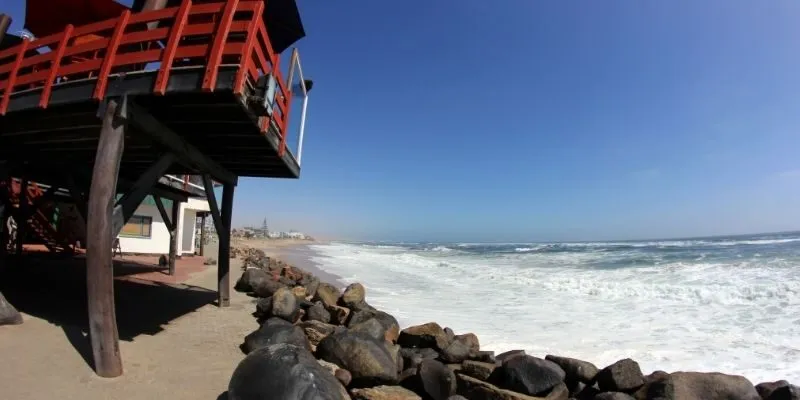
Breakwater Engineering For Newbiggin Coastal Defence UK
Breakwater engineering gives Newbiggin Reborn a technical framework for reducing wave force, stabilising beach material, [...]
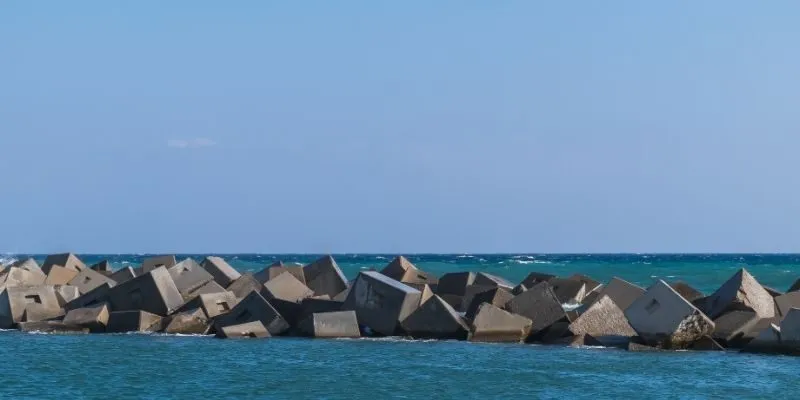
Offshore Breakwater Guide For Newbiggin Coastal Defence
Offshore breakwater planning gives Newbiggin Reborn a protective marine structure that reduces wave force before [...]