Newbiggin Reborn Strategy For A Stronger Coastal Future
Newbiggin Reborn is a proposed regeneration identity connecting physical renewal, economic opportunity, cultural pride, and measurable community progress. It builds on Newbiggin-by-the-Sea’s coastal strengths without treating tourism as the only answer. The framework combines local assets, phased delivery, public participation, and transparent targets.
Overview of the Newbiggin Reborn project
The project should operate as an umbrella strategy rather than one construction scheme. Newbiggin already has community-backed planning, coastal attractions, and recent public investment. The missing link is a shared narrative connecting streets, businesses, heritage, wellbeing, and visitor experiences. One programme can help partners explain how individual actions support wider transformation across planning, funding, and communications.

Present conditions and the reason for renewal
Newbiggin has strong coastal character, yet renewal must address economic fragility, uneven footfall, ageing spaces, and limited year-round demand. The town entered a Place Plan process identifying projects eligible for up to £3 million. Its 2023 Neighbourhood Plan gained 72% support from 603 voters. Regeneration should therefore convert community backing into coordinated, visible delivery that strengthens household confidence and youth retention.
A long-term vision for Newbiggin Reborn
The vision should position Newbiggin as an inclusive, connected, resilient coastal town where residents benefit before visitors arrive. Success means attractive public areas, stronger trading, protected heritage, accessible recreation, and better links between Front Street and the seafront. Existing planning horizons extend toward 2033 and 2036. That timeframe allows infrastructure, enterprise, and culture to reinforce one another without losing the town’s distinctive scale.
A mission built around visible local progress
The mission is to create improvements residents can see, use, and measure. Every initiative should answer a local need, support a defined outcome, and name a responsible partner. Early wins could include cleaner gateways, coordinated signage, vacant-unit activation, seasonal events, and digital visitor information. Larger investment can then address transport, property, skills, climate resilience, and long-term environmental protection.
A core message that people can repeat
The core message should be simple: Newbiggin is renewing itself through its coast, people, and shared history. It avoids exaggerated promises while giving schools, businesses, community groups, and public agencies common language. The identity should appear consistently across consultations, project boards, events, online updates, and investment documents. Recognition will grow only when communication is matched by evidence through regular public reporting over time.
Assessing current conditions and future potential
Newbiggin Reborn must begin with an honest assessment because promotion cannot solve structural weaknesses. The town has strong assets, including its bay, promenade, Maritime Centre, offshore Couple sculpture, community facilities, and fishing heritage. Recent investment proves progress is possible when funding meets local purpose. The challenge is connecting these strengths while addressing access, employment, maintenance, and seasonal imbalance.

Challenges that require coordinated solutions
Several barriers require joint action rather than isolated projects. Weak off-season demand can reduce business confidence, while tired premises may weaken the route between Front Street and the coast. Transport, digital visibility, accessibility, youth opportunity, and maintenance also affect inclusion. A baseline audit should measure vacancy, footfall, visitor duration, satisfaction, event participation, and local procurement.
Breakthrough opportunities for Newbiggin Reborn
The clearest opportunity is presenting Newbiggin as a year-round coastal experience rather than a brief beach stop. The Maritime Centre already provides an all-weather attraction, exhibitions, events, and a 65-seat café beside the promenade. New routes could combine maritime heritage, art, wildlife, food, walking, cycling, and independent retail. Longer stays would create more spending opportunities for local traders.
Three strategic pillars at the heart of Newbiggin Reborn
A credible programme needs a small number of pillars that partners can understand and fund. The first should improve public space and infrastructure, the second should strengthen enterprise and tourism, and the third should deepen cultural participation. Each pillar requires quick actions, medium-term projects, and long-term priorities. This structure prevents renewal from becoming an unfocused list of ambitions.
Renewing space and infrastructure through Newbiggin Reborn
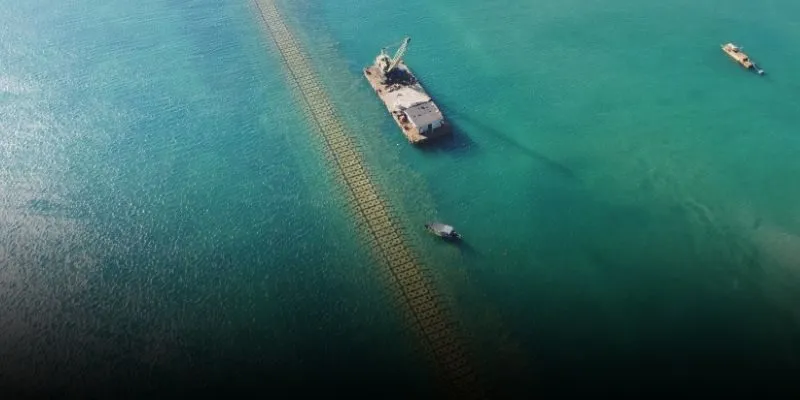
Public-realm renewal should make movement safer, clearer, and more enjoyable from arrival points to the bay. Priorities include wayfinding, lighting, seating, planting, accessible routes, cycle storage, and shopfront grants. A £2 million Sports and Community Hub refurbishment, plus £250,000 for external football pitches, demonstrates targeted investment. Future schemes should also connect capital work with daily benefit and funded maintenance.
Rebuilding the local economy and visitor sector
Economic renewal should prioritise resilient local businesses rather than visitor totals alone. A three-year programme could support 25 new or expanding enterprises, cut targeted vacancy by 15%, and raise off-season footfall by 20%. Mentoring, pop-up leases, maker markets, hospitality training, and coordinated opening hours can create early gains. Newbiggin Reborn should also increase local procurement across events and public projects.
Reviving culture and community participation
Culture should function as economic and social infrastructure, not decorative entertainment. Fishing, mining, lifeboat heritage, public art, music, and coastal nature offer material for trails, performances, exhibitions, and school projects. A yearly calendar could combine one flagship festival with smaller monthly activities. Community commissioning would ensure that renewal reflects lived experience rather than external branding.
A phased delivery and communication plan
Newbiggin Reborn needs a model that makes progress visible before major construction finishes. A three-stage sequence can move from research and awareness to public experiences, then long-term governance. Each phase should publish actions, budgets, partners, risks, and completion dates in accessible language. Delays must be reported honestly because trust grows through transparency.
Launching and awakening Newbiggin Reborn
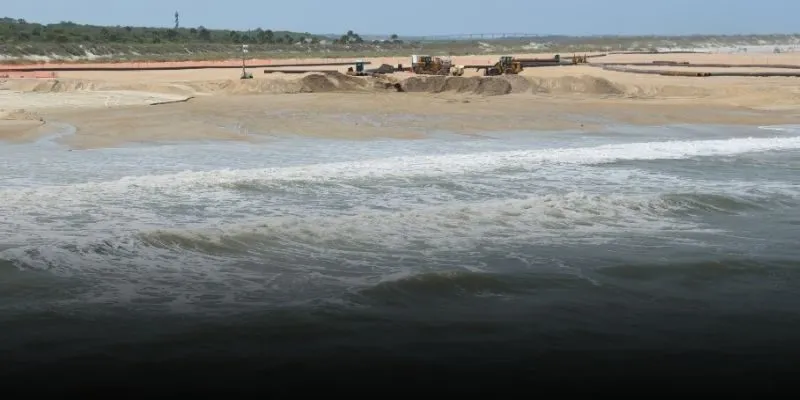
The first six months should establish governance, gather baseline data, and introduce the public identity. Activities could include resident surveys, business audits, youth workshops, public-space walks, an interactive map, and a launch weekend. A steering group should represent traders, community bodies, young people, accessibility interests, and public agencies. The campaign must promise participation and evidence, not unfunded certainty.
Delivering projects and creating real experiences
Months 7 to 30 should turn priorities into pilots and funded schemes. Quick actions may activate empty windows, test evening events, improve wayfinding, and support temporary trading. Larger work can strengthen routes between Front Street, arrival points, and the seafront. Quarterly updates should show before-and-after evidence, footfall, spending estimates, and resident feedback.
Maintaining momentum and securing sustainability
From year three, Newbiggin Reborn should move from campaign mode into permanent local practice. A partnership body could coordinate funding, sponsorship, volunteering, event standards, data, and asset maintenance. Events, memberships, venue hire, commercial partnerships, and grants should create a mixed funding model. Annual reviews must stop weak initiatives, expand successful pilots, and update targets.
Success measures for the Newbiggin Reborn programme
Measurement must cover economic, social, and communication outcomes because construction alone cannot prove successful regeneration. A public dashboard should show baseline values, annual targets, progress, and responsible data owners. Results can be reviewed quarterly and published twice each year. Independent evaluations at years three, five, and ten would test whether activity created durable change.

Economic measures that demonstrate local value
Economic indicators should cover vacancy, footfall, visitor dwell time, enterprise creation, jobs, event spending, and local procurement. Suggested three-year goals include 25 supported businesses, a 15% fall in targeted vacancies, and 20% off-season footfall growth. Surveys should track average visitor stays and trader confidence. Data must separate seasonal spikes from sustained performance.
Social measures that protect inclusion
Social evaluation should measure satisfaction, participation, accessibility, volunteering, youth involvement, and shared-facility use. Targets could include 500 residents engaged annually, 150 active volunteers, and 80% positive feedback on completed projects. Results should be reviewed by age, neighbourhood, disability access, and participation type. Interviews can explain why headline statistics improved or declined.
Communication measures for Newbiggin Reborn
Communication indicators should assess trust and useful engagement rather than vanity reach. Measures include newsletter subscriptions, consultation completion, return website visits, event conversion, media sentiment, and awareness. First-year targets might include 2,000 opted-in subscribers, 1,000 consultation interactions, and 70% local recognition. Every campaign result should connect to a real delivered action.
Conclusion
Newbiggin Reborn offers a practical way to unite planning, investment, culture, tourism, and community action under one direction. Credibility will depend on honest baselines, resident influence, disciplined delivery, and measurable local benefit. Newbiggin already has public support, strong assets, recent facility investment, and access to regeneration frameworks. The next step is connecting those foundations through projects that improve daily life.
Important information
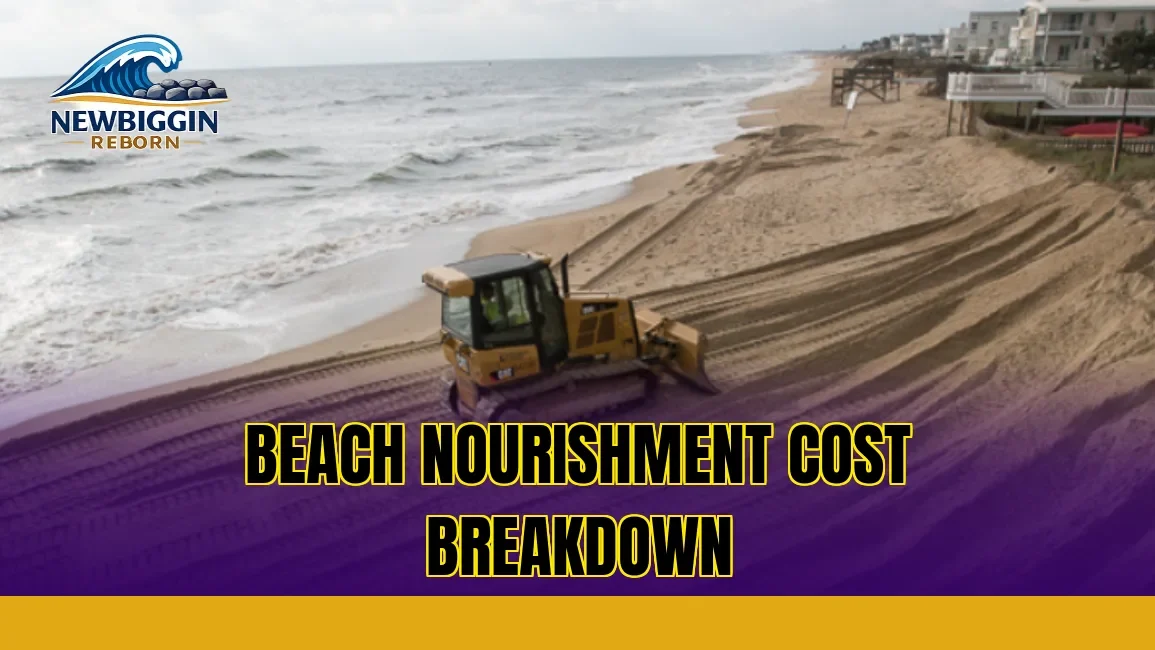
Beach Nourishment Cost Factors And Breakdown
Beach nourishment cost is one of the most significant financial considerations in coastal erosion management [...]
Th9
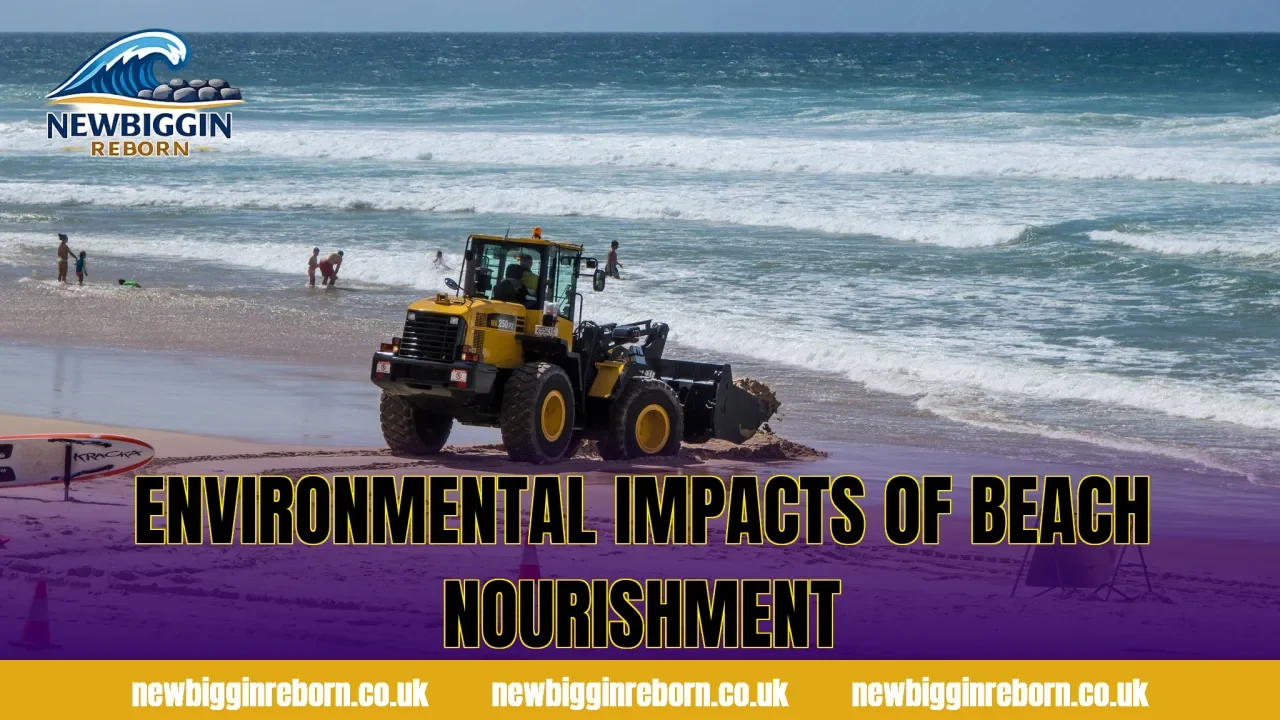
Beach Nourishment Environmental Impacts Unveiled
Beach nourishment environmental impacts are reshaping how coastal managers, scientists, and communities think about shoreline [...]
Th9
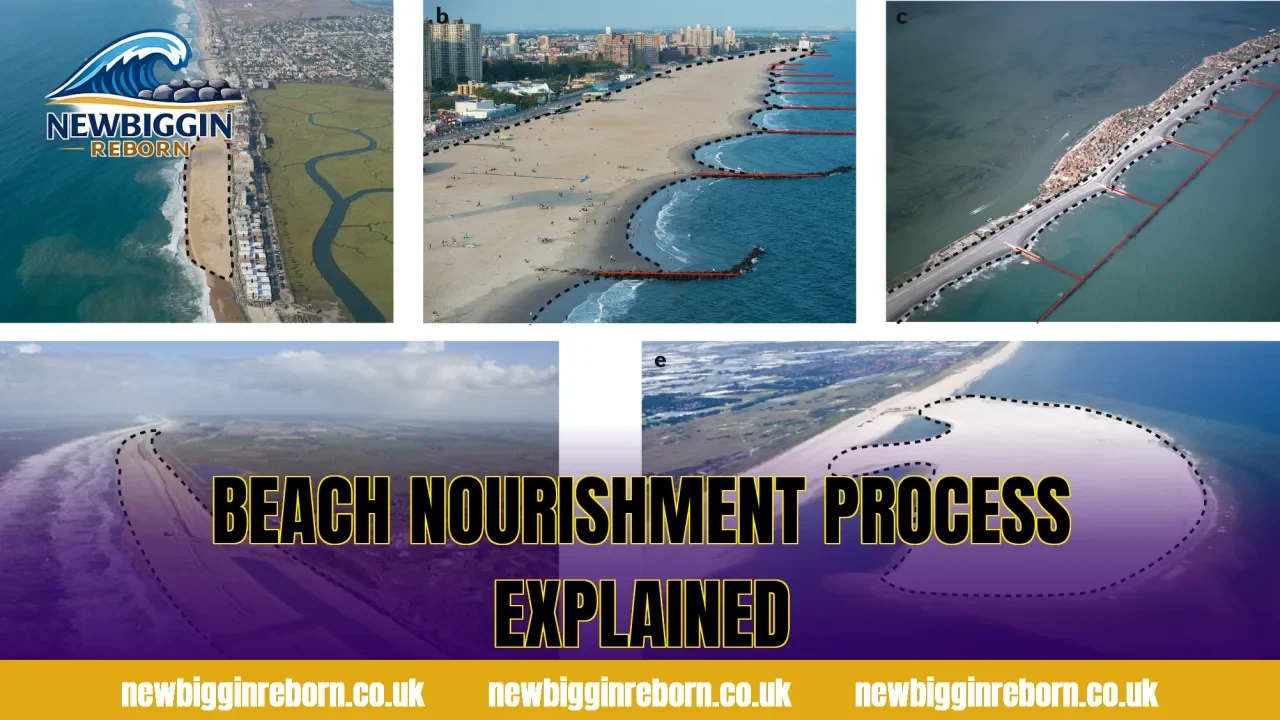
Beach Nourishment Process Explained For You
The nourishment process is one of the most effective coastal management strategies used to restore [...]
Th9
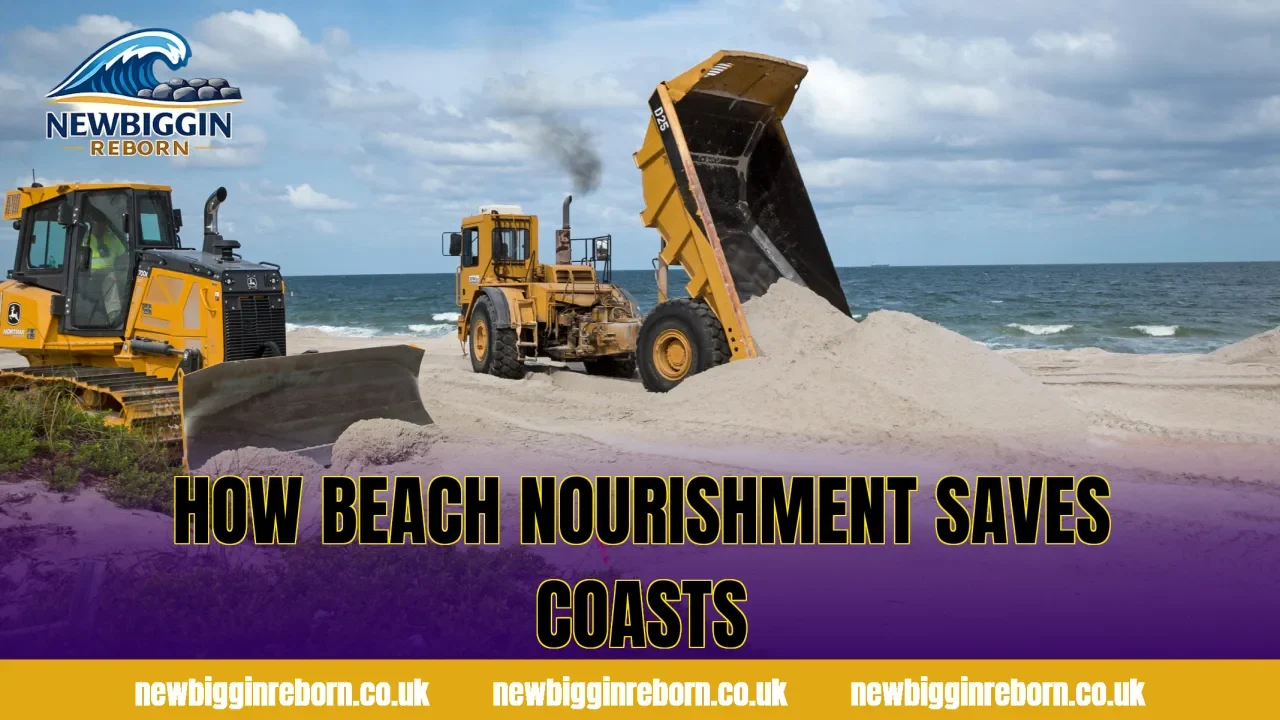
How Does Beach Nourishment Work To Save Coasts
How does beach nourishment work is a question that coastal engineers, environmentalists, and local communities [...]
Th9
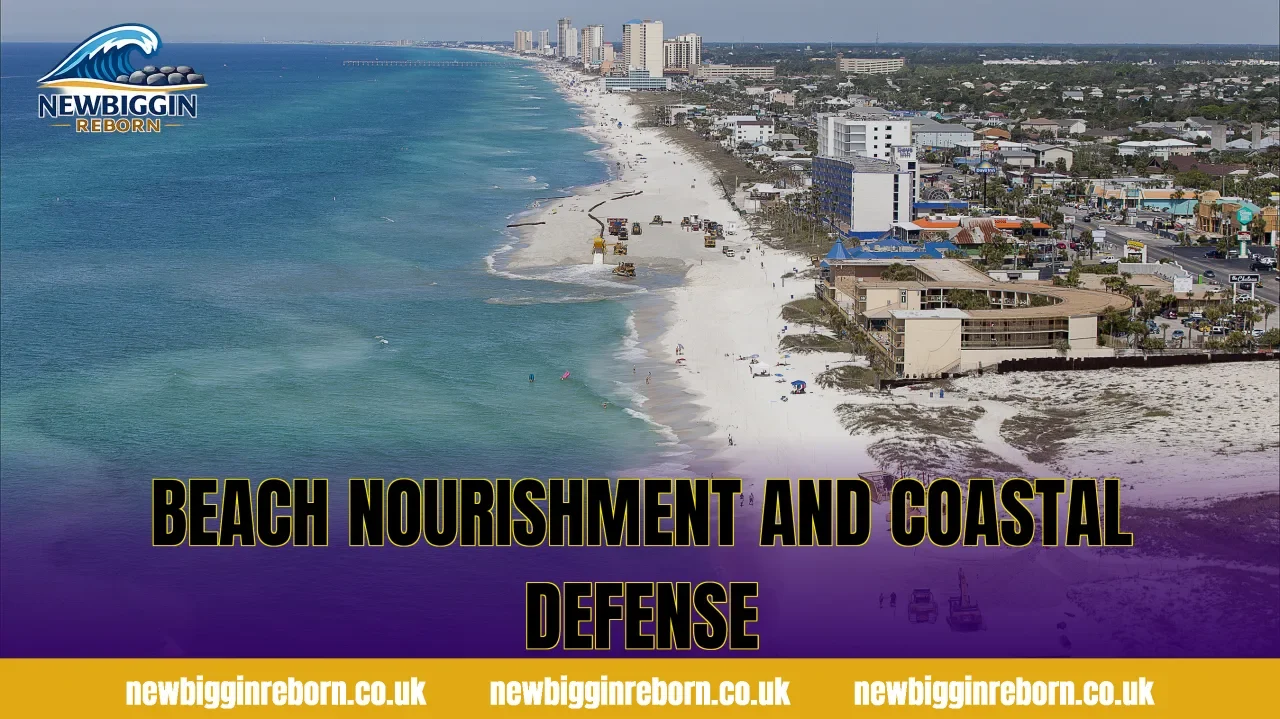
What Is Beach Nourishment And Coastal Defense
What is beach nourishment — a question that matters deeply to anyone living near an [...]
Th9

Public Space Enhancement Planning With Newbiggin Reborn
public space enhancement focuses on making shared areas safer, more useful, and more welcoming for [...]
Th6

Waterfront Development Planning With Newbiggin Reborn
waterfront development focuses on turning coastal areas into safer, more useful, and more welcoming places. [...]
Th6

Marine Civil Engineering By Newbiggin Reborn Explained
Marine civil engineering focuses on designing and maintaining structures that support safe and resilient coastal [...]
Th6