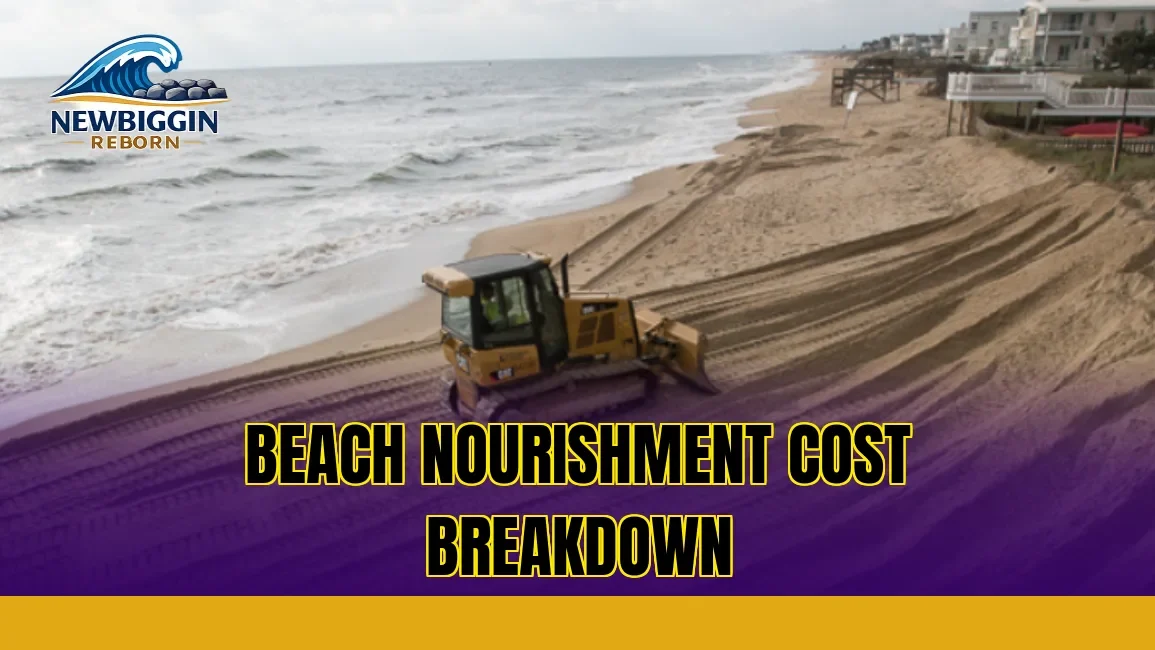
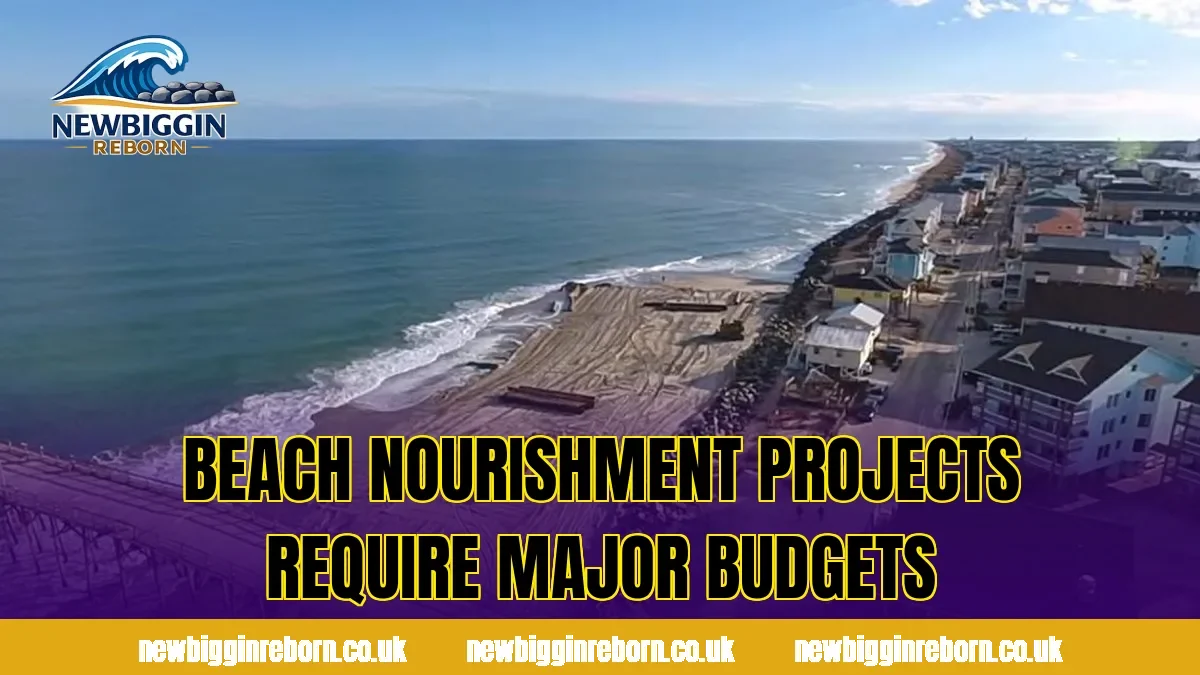
Beach nourishment cost is one of the most significant financial considerations in coastal erosion management today. Understanding what drives these costs helps communities, engineers, and policymakers make smarter decisions about shoreline protection. From sand sourcing to equipment mobilization, every phase of a nourishment project carries its own price tag. This article breaks down the key cost factors, compares project types, and offers a realistic picture of what beach restoration actually demands in terms of budget and planning.
Beach nourishment cost: Key pricing factors explained
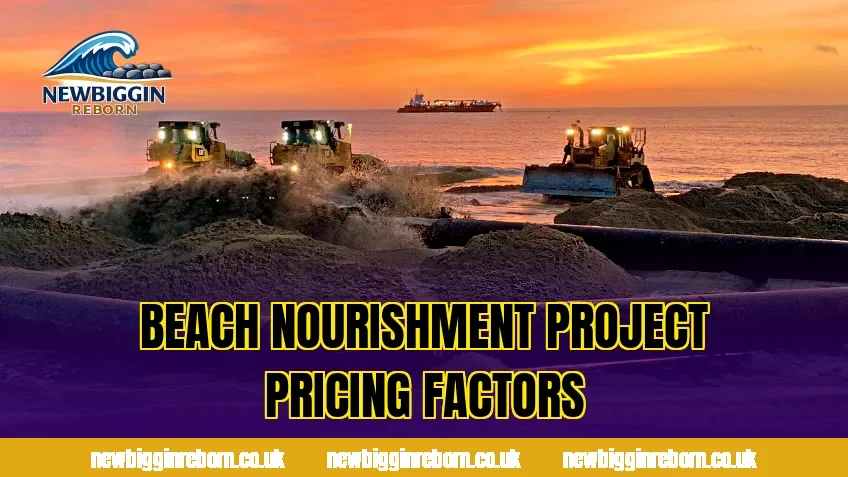
The beach nourishment cost is rarely a fixed number — it shifts based on geography, project scale, and material availability. Coastal engineers often say that no two nourishment projects are the same, and that holds true in both scope and expenditure. Before diving into specifics, it helps to understand the three primary drivers that shape overall pricing.
Sand sourcing and material quality
The beach nourishment cost is heavily influenced by where the sand comes from and how suitable it is for the target shoreline. Offshore dredging tends to be the most expensive sourcing method, often requiring specialized hopper dredges and permits that add weeks to the timeline. Inland quarry sand may cost less per cubic yard but often requires additional screening to match grain size, which adds processing time and labor expenses.
Dredging equipment and mobilization
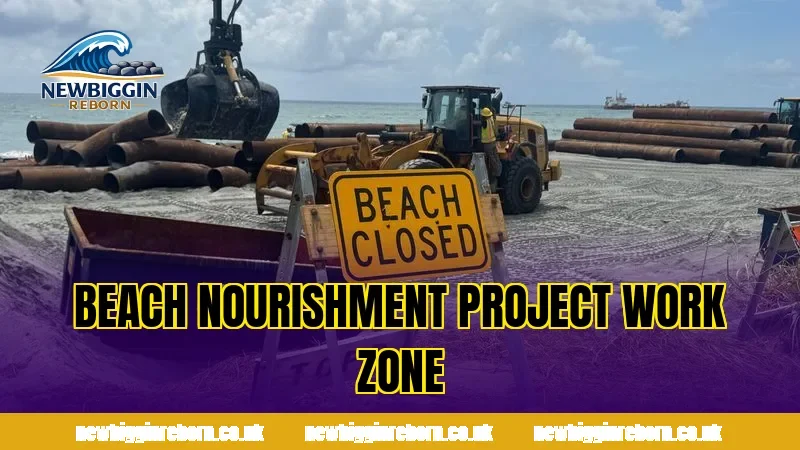
Equipment mobilization is a cost that many project planners underestimate when calculating the total beach nourishment cost. Moving a cutter suction dredge or trailing suction hopper dredge to a remote coastal site can run into the hundreds of thousands of dollars before a single cubic meter of sand is moved. Fuel consumption, crew deployment, and pipeline installation all stack on top of baseline equipment rental rates in ways that quickly escalate the overall budget.
Permitting, surveys, and environmental studies
Regulatory approval is a non-negotiable part of any nourishment project, and it contributes meaningfully to the final beach nourishment cost. Environmental impact assessments, hydrographic surveys, and biological studies often take twelve to eighteen months to complete before construction begins. In sensitive marine habitats, mitigation requirements such as turtle monitoring or seagrass transplanting can add six figures to a project that might otherwise seem straightforward.
Beach nourishment cost breakdown by project type
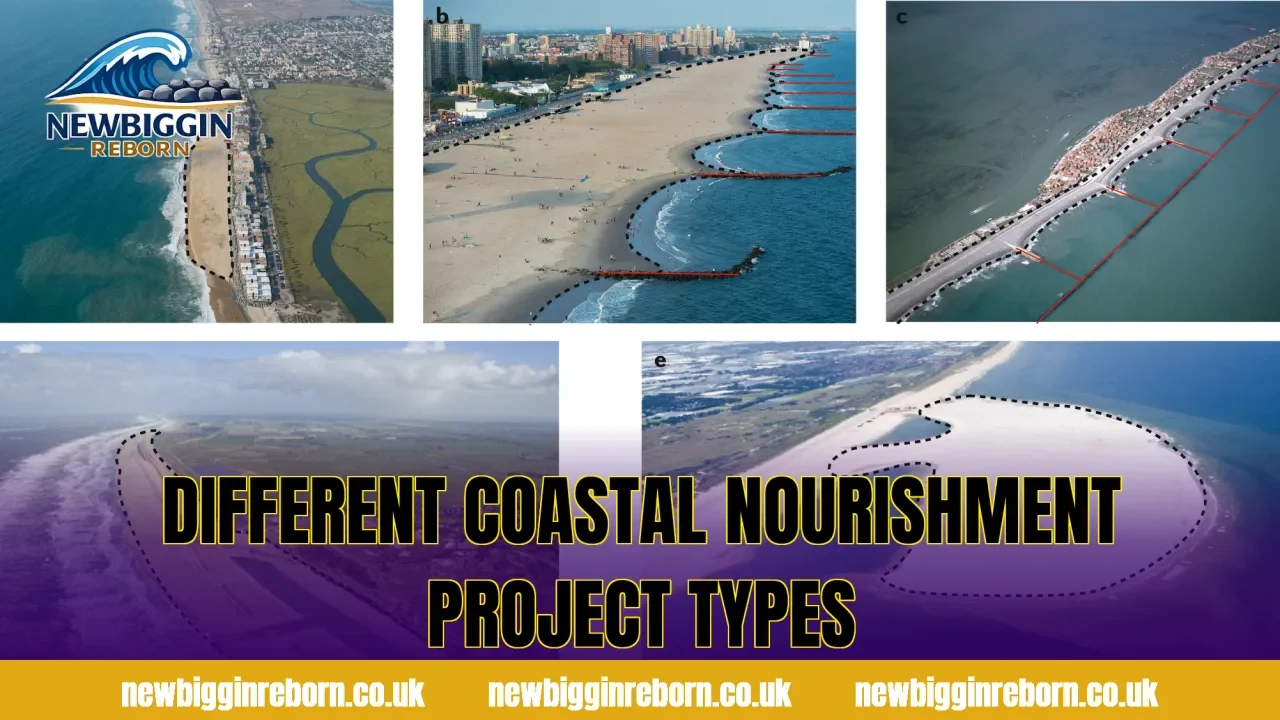
Not all nourishment projects look the same on paper or on the shoreline. Costs vary widely depending on whether a project is an initial restoration, a periodic renourishment, or an emergency response following storm damage. Knowing the differences helps stakeholders set realistic budget expectations from the very beginning of planning process.
Initial restoration vs. periodic renourishment
An initial large-scale restoration typically carries the highest beach nourishment cost because it requires moving the greatest volume of material to establish a functional berm. Periodic renourishment projects, which follow every three to seven years, tend to cost less per cycle because infrastructure like pipeline corridors and staging areas may already be in place. However, cumulative costs over a twenty-year period for periodic maintenance often exceed the upfront investment of a one-time major restoration.
Emergency storm recovery nourishment
Storm-driven erosion forces communities into reactive spending, which almost always inflates the beach nourishment cost compared to planned maintenance. Emergency contracts are awarded quickly, often without competitive bidding, which removes the pricing pressure that drives costs down in routine procurement. Post-storm debris removal and compromised access routes further complicate logistics and push emergency nourishment budgets well above standard per-cubic-yard rates.
Small community vs. large municipal projects
Scale has a paradoxical effect on the beach nourishment cost per unit of material placed. Larger municipal projects benefit from economies of scale, with contractors able to spread mobilization costs across a much greater volume of sand. Smaller community beaches, by contrast, often pay a premium per cubic yard because the logistics are nearly as complex as larger efforts but the material volume is insufficient to justify reduced rates from major dredging contractors.
Average cost figures and realistic budget ranges
Understanding actual figures helps communities plan and secure appropriate funding well ahead of construction timelines. The following table summarizes typical cost ranges based on documented project data from coastal engineering reports and government project audits.
| Project Type | Volume (cubic yards) | Estimated Cost Range | Cost Per Cubic Yard |
|---|---|---|---|
| Small community restoration | 50,000 – 200,000 | $2M – $10M | $25 – $60 |
| Municipal renourishment | 500,000 – 2,000,000 | $20M – $80M | $18 – $45 |
| Emergency storm recovery | 100,000 – 500,000 | $8M – $35M | $40 – $80 |
| Long-term maintenance program | 200,000 – 800,000/cycle | $10M – $40M/cycle | $20 – $55 |
These figures reflect a broad range of conditions, and actual beach nourishment cost for any given project will depend on local sediment markets, contractor availability, and regulatory complexity. Projects in regions with high environmental sensitivity or limited offshore sand resources consistently land at the upper end of these ranges. Inflation in fuel and equipment costs has also pushed per-cubic-yard rates upward by roughly fifteen to twenty percent over the past five years.
Funding sources that offset nourishment expenses
Few communities bear the full beach nourishment cost from local tax revenue alone. A patchwork of federal, state, and private funding sources typically combines to finance major projects, and understanding this landscape is essential for any community entering the planning process. Identifying eligible programs early can mean the difference between a project that moves forward and one that stalls indefinitely in budget review.
Federal and state coastal programs
In the United States, the Army Corps of Engineers administers the largest federal cost-sharing program for shoreline protection, which can cover fifty to sixty-five percent of the beach nourishment cost for qualifying projects. FEMA’s Hazard Mitigation Grant Program also provides post-disaster funding that communities can redirect toward nourishment efforts. State coastal management agencies often offer supplemental grants, particularly for beaches that serve as public recreational assets.
Tourism and commercial property levies
Many coastal municipalities finance a portion of their beach nourishment cost through dedicated levies on hotel occupancy taxes or commercial property assessments in beachfront zones. This approach aligns financial responsibility with the stakeholders who benefit most directly from a healthy shoreline — tourism businesses and property owners. Special taxing districts created specifically for coastal management have become increasingly common in Florida, North Carolina, and New Jersey over the past two decades.
Private partnerships and conservation grants
Conservation organizations and private philanthropies occasionally contribute to beach nourishment cost recovery, particularly when a project also delivers ecological benefits such as habitat restoration for nesting shorebirds. Public-private partnerships have financed innovative projects that combine nourishment with living shoreline elements, effectively blending engineering and ecology in ways that attract non-traditional funders. These arrangements require careful legal structuring but can meaningfully reduce the burden on public budgets.
Conclusion
Beach nourishment cost depends on a complex interplay of material sourcing, project scale, regulatory requirements, and funding structures that no single formula can capture. Communities that invest in early planning, environmental studies, and multi-source funding strategies consistently achieve better value per cubic yard placed. For those interested in seeing responsible coastal stewardship in action, Newbiggin Reborn offers a compelling example of how seaside communities can balance protection, ecology, and public benefit.
Read more: Seaside Getaway ideas with Newbiggin Reborn by the coast