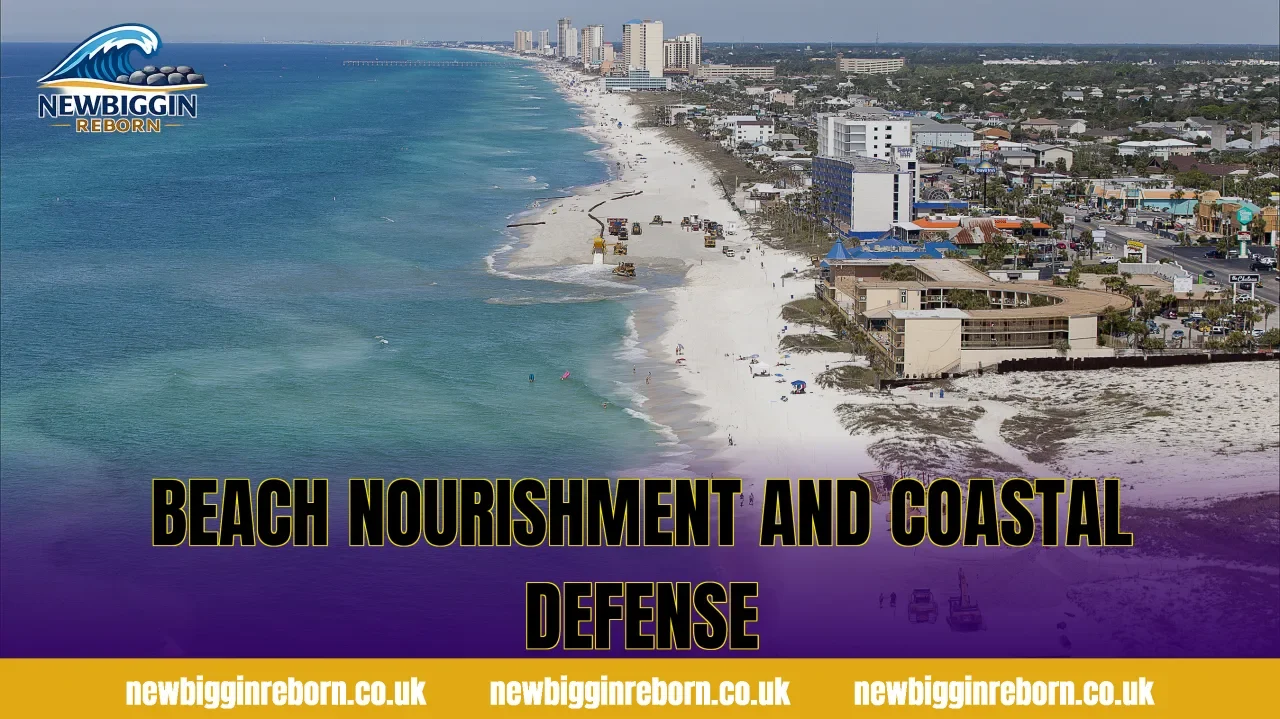
What is beach nourishment — a question that matters deeply to anyone living near an eroding coastline. This practice involves adding large volumes of sand or sediment to a beach to widen it, restore its natural profile, and strengthen its ability to absorb wave energy. Coastal erosion is accelerating in many parts of the world, and communities like Newbiggin-by-the-Sea have already experienced the consequences firsthand. What is beach nourishment as a long-term coastal defense strategy? Read on to find out how it works and why it matters.
What is beach nourishment and how it works
Understanding what is beach nourishment requires looking at how coastlines naturally behave under pressure from waves, tides, and storms. Beaches are not static — they shift constantly, losing and gaining sediment in response to seasonal patterns and storm intensity. When natural replenishment can no longer keep pace with erosion, human intervention becomes necessary to maintain the shoreline’s protective function.
The basic definition and process explained
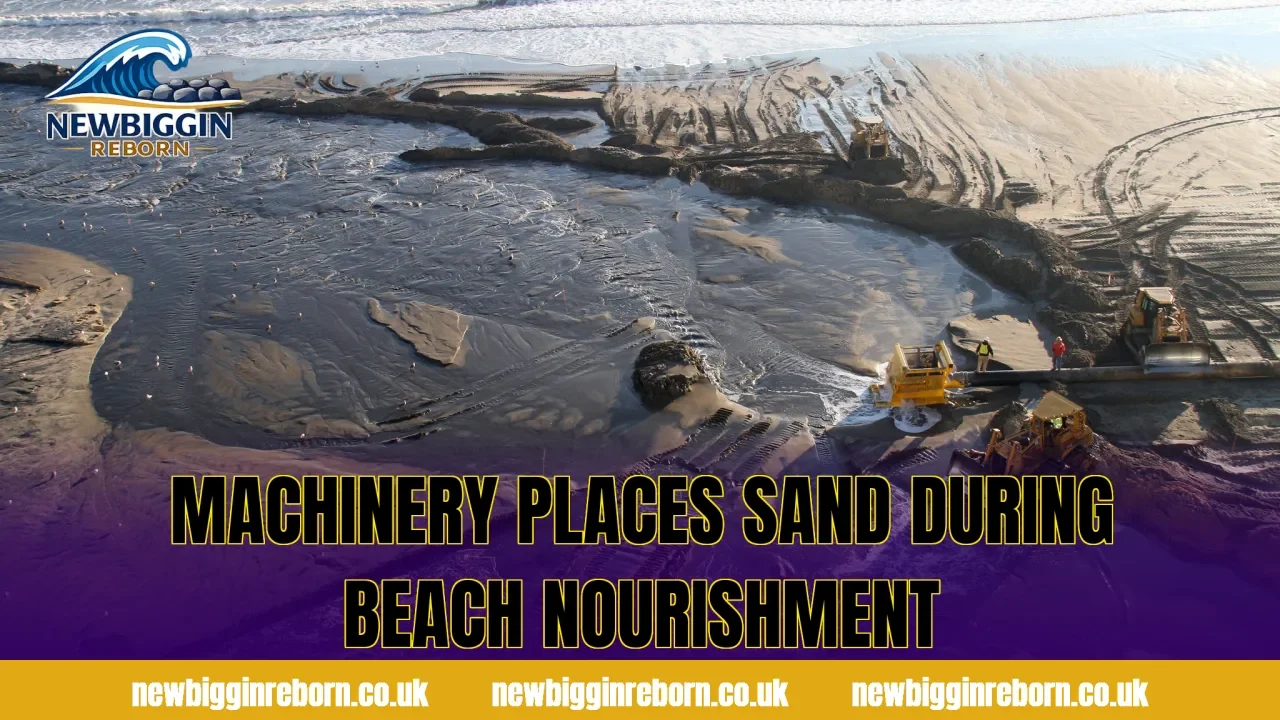
What is beach nourishment at its core? It is the deliberate placement of clean sand or gravel onto an eroding beach to restore its volume, width, and elevation. Engineers typically source the fill material from offshore deposits, riverbeds, or inland quarries, then transport it by pipeline, barge, or truck to the target site. The goal is to replicate the natural beach profile as closely as possible so the restored shoreline can dissipate wave energy effectively.
Dredging and sediment placement techniques
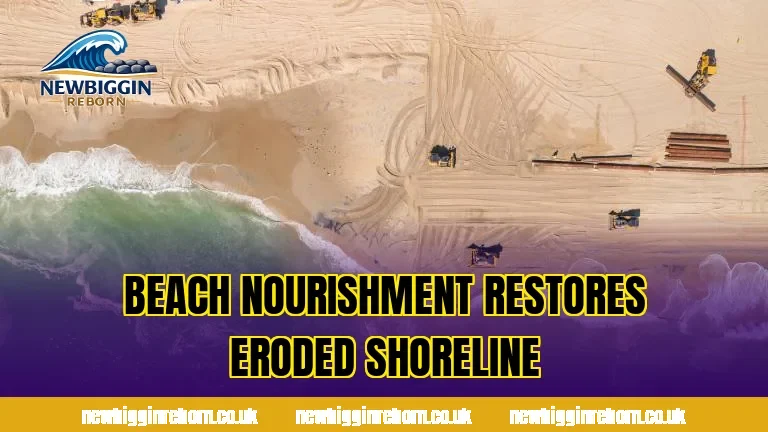
The most common method used in large-scale projects involves hydraulic dredging, where a cutter-suction dredger extracts sand from the seabed and pumps it onshore through a floating pipeline. This technique allows for precise delivery and minimizes physical disruption compared to land-based haulage. Once deposited, bulldozers and graders shape the sediment to match the natural beach gradient, creating a stable berm that protects the area behind it.
How often nourishment projects are repeated
One important aspect of what is beach nourishment is that it is rarely a one-time solution — repeated cycles are usually necessary over the project’s lifespan. Depending on wave climate, sediment transport rates, and storm frequency, a nourished beach may require top-up work every three to ten years. Monitoring programs using GPS surveys and sediment sampling help managers decide when the next intervention is needed before the beach profile drops below a safe threshold.
What is beach nourishment as coastal defense
Beyond beach recreation, what is beach nourishment really comes down to is a frontline defense mechanism for vulnerable coastal communities. A wide, healthy beach acts as a natural buffer, absorbing the kinetic energy of incoming waves before they can damage seawalls, promenades, or residential properties. This approach complements hard engineering structures and, in some cases, can replace them entirely over long term.
Protection against storm surge and flooding
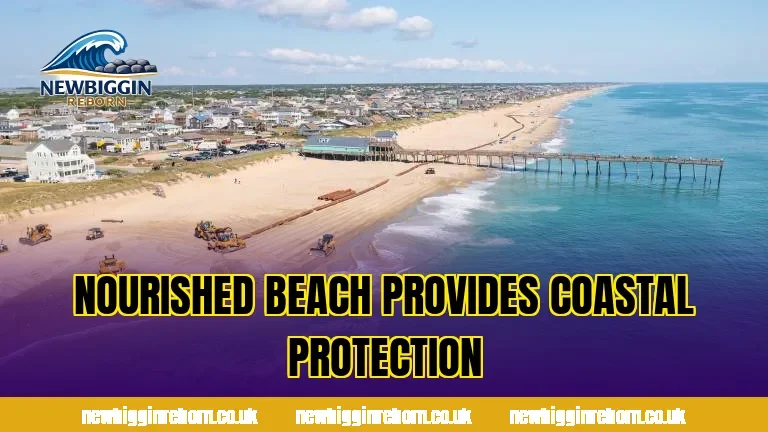
Storm surges are among the most destructive forces a coastal community can face, and a properly nourished beach significantly reduces their inland reach. The added sand volume raises the beach crest elevation, which means waves must work harder to overtop it and reach the developed land behind. Studies from the US Army Corps of Engineers and the UK Environment Agency both confirm that nourished beaches measurably reduce flood risk during extreme weather events.
Comparing nourishment with hard coastal structures
Hard structures like seawalls, revetments, and groynes have long been used to hold back the sea, but they come with significant drawbacks. They can interrupt longshore sediment drift, starve neighboring beaches of sand, and reflect wave energy in ways that accelerate scour at their base. What is beach nourishment offering in comparison is a softer, more adaptable solution that works with natural coastal processes rather than against them.
Economic value of protecting the shoreline
Investing in coastal nourishment delivers measurable economic returns by safeguarding property values, tourism infrastructure, and critical services that depend on a functioning shoreline. A single major storm that breaches an unprotected coast can cause damage costing hundreds of millions — far exceeding the expense of regular nourishment maintenance. Decision-makers increasingly apply cost-benefit analysis to justify continued investment, and the numbers consistently favor proactive beach management over reactive repair work.
| Coastal defense method | Typical lifespan | Environmental impact | Maintenance frequency |
|---|---|---|---|
| Beach nourishment | 3–10 years per cycle | Low to moderate | Periodic top-ups required |
| Seawall | 30–50 years | High (scour, wave reflection) | Structural inspection and repair |
| Rock revetment | 20–40 years | Moderate (habitat disruption) | Occasional stone replacement |
| Groynes | 20–30 years | Moderate (drift interruption) | Timber or concrete repair |
Key benefits and real-world applications
The practical advantages of what is beach nourishment as a strategy extend well beyond physical protection — they touch ecology, recreation, and community identity. Restored beaches provide habitat for shorebirds and invertebrates, offer safer swimming conditions, and revive tourism economies that had declined alongside eroding shorelines. Communities that have committed to long-term nourishment programs typically report stronger coastal resilience and improved public confidence in local land-use planning.
Ecological recovery and habitat restoration
When a beach is successfully nourished with compatible sediment, it can reestablish intertidal zones that support diverse marine and avian species. Sandy substrates are critical spawning grounds for fish and nesting sites for protected birds like little terns and ringed plovers. Careful project design, including timing works outside breeding seasons, ensures that ecological recovery accompanies the physical restoration rather than being disrupted by it.
Tourism recovery and community regeneration
A restored beach draws visitors, encourages coastal investment, and restores local pride in ways that concrete defenses simply cannot match. Seaside towns that had seen visitor numbers collapse due to narrow, storm-damaged shores often experience economic rebounds within a few seasons of completing a nourishment project. The social value of a usable, attractive beach is difficult to quantify but is consistently cited by residents and business owners as transformative.
Lessons from Newbiggin-by-the-Sea’s renewal
Newbiggin-by-the-Sea in Northumberland stands as one of the most compelling UK examples of what what is beach nourishment can achieve when paired with community vision and sustained investment. Over decades, the beach had almost entirely disappeared, leaving the promenade and residential streets exposed to direct wave attack. The nourishment and offshore reef project completed in 2008 restored nearly 350,000 tonnes of sand, transformed the town’s coastline, and became a catalyst for broader regeneration efforts that continue today.
Conclusion
What is beach nourishment if not one of the most effective tools available to coastal managers facing the growing pressures of sea-level rise and increased storm intensity? It restores natural defenses, supports ecosystems, and delivers lasting social and economic value to communities that depend on their shorelines. To learn more about how this approach has shaped one remarkable coastal community, visit Newbiggin Reborn and explore the full story of renewal.
Xem thêm: Beach nourishment environmental impacts unveiled — a deeper look at how these projects affect coastal ecosystems.