Gallery introduces a visual archive for the Newbiggin Reborn story, linking past shoreline conditions with renewed public spaces and community memory. The collection should document erosion, engineering, heritage, tourism, and everyday life through carefully selected images. It can make technical change easier to understand for residents, visitors, funders, students, and future project teams. A strong visual record also prevents the regeneration story from becoming only a written report.
Image Collection For The Gallery Of Newbiggin Reborn
The collection should show how the town moved from coastal vulnerability toward renewed confidence. Historic records can explain why action became urgent, while construction images reveal the scale of intervention. Verified project data includes 500,000 tonnes of imported sand, a 200-metre breakwater, and five-metre bronze figures placed offshore. The archive should connect those figures with faces, streets, weather, events, and daily use. This Gallery therefore becomes a public memory route rather than a static image folder.

Historic Moments Inside The Gallery Archive
Early images should focus on the bay before large-scale renewal changed its public appearance. The beach had suffered long-term erosion, with records describing sand loss, clay exposure, and pressure on ageing sea defences. Photographs from older postcards, council files, family albums, and newspaper coverage can show the resort identity that existed before industrial decline. Each image should include date, location, source, description, and permission status to make the archive useful rather than decorative.
Construction Images Showing Infrastructure Change
Construction records should capture dredging, pipeline operations, rock placement, Core-loc armour, promenade work, access management, and safety barriers. The 2007 scheme ran from April to November, giving the archive a clear timeline for sequencing images. Workers, machinery, weather conditions, temporary routes, and public viewing points can explain how disruption was managed. These images should be grouped by activity so non-specialists can understand how each stage supported the next one.
Panoramic Views After Coastal Renewal
Post-renewal images should show the restored beach, breakwater, promenade, Maritime Centre, Couple sculpture, and visitor movement across the bay. Wide shots can demonstrate spatial change, while close images can highlight seating, signage, paths, shopfronts, and public gathering areas. Seasonal views are important because summer crowds, winter storms, sunrise light, and evening events create different meanings. The Gallery should therefore avoid presenting only perfect weather or promotional angles.
Digital Storage Methods For The Gallery Archive
A professional archive needs more than image uploads and attractive thumbnails. Files should be stored with metadata covering creator, date, location, copyright owner, usage rights, project phase, subject, and technical quality. Master images can remain in high-resolution formats, while compressed copies support website speed and social sharing. Backup rules should include at least two storage locations and one offline copy. A basic target of 1,000 catalogued images would give the archive depth without making early management unrealistic.

Sorting Images By Each Project Stage
The archive can divide material into pre-renewal, planning, construction, completion, community use, and long-term monitoring sections. This structure helps viewers follow change without losing the chronology of decisions. The Gallery should also tag images by theme, including engineering, heritage, tourism, environment, business, events, and public access. Search filters make the collection useful for schools, researchers, journalists, council teams, and residents preparing community presentations.
Copyright Rules And Gallery Media Use Standards
Every image should carry clear rights information before publication. Public bodies, contractors, photographers, families, and community contributors may all hold different permissions. The archive should use simple labels such as internal use, public website, press release, education, or commercial restriction. Consent forms are especially important when images show children, private property, workers, or identifiable residents during sensitive moments.
Community Contribution Channels
Residents can strengthen the archive by submitting family photographs, event images, memories, captions, and location details. A contribution form should request ownership confirmation, approximate date, names where appropriate, and preferred credit wording. Moderators must review quality, relevance, rights, and privacy before accepting submissions into the Gallery. Community days at the Maritime Centre could also scan older photographs for people who cannot upload files digitally.
Communication Value Of The Visual Gallery Space
Images can translate coastal regeneration into evidence that people understand quickly. A written claim about beach recharge becomes clearer when viewers see the old shoreline, working vessels, pipelines, and the widened bay afterward. Visual storytelling can also show why a £10 million scheme mattered beyond engineering calculations. When residents recognise familiar places and people, they are more likely to see renewal as shared experience rather than external branding. Good captions should explain what changed, who was affected, and why the moment deserves preservation.
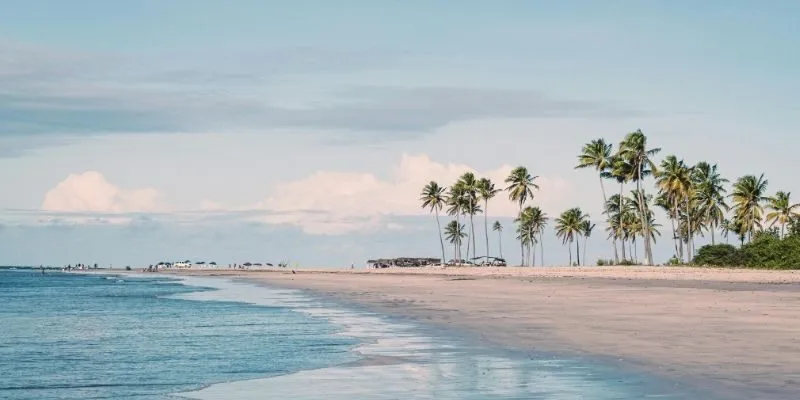
The image space should support tourism, education, accountability, and community pride at the same time. Visitor pages can highlight the Couple sculpture, historic fishing identity, Maritime Centre, and accessible promenade without overstating results. Education materials can compare past erosion with later protection, while public updates can show repairs, inspections, and maintenance work. A balanced Gallery builds trust because it includes challenges, progress, unfinished tasks, and real local voices. Over time, analytics can track views, downloads, community submissions, and school use to judge whether the archive remains active.
Future Monitoring Images For Long Term Gallery Updates
Future image updates should record how the beach, promenade, breakwater, sculpture, and public facilities change after the main regeneration period. Annual photographs from fixed viewpoints can show sand movement, storm impact, maintenance work, visitor patterns, and seasonal use. These repeat images help the Gallery become a monitoring tool rather than only a historic collection. They also give councils, residents, and researchers clearer evidence when discussing repair needs or future investment.
The archive should include dated inspection images, community event photos, tourism activity, accessibility improvements, and environmental observations. A simple yearly schedule could cover winter storm conditions, spring maintenance, summer tourism, and autumn public use. Captions should explain whether each image shows normal wear, planned improvement, weather damage, or community benefit. This long-term approach makes the Gallery stronger because Newbiggin Reborn remains a living story instead of a completed project frozen in time.
Conclusion
Gallery gives Newbiggin Reborn a visual memory system that links history, construction, culture, tourism, and public accountability in one accessible space. Its value comes from organised records, accurate captions, clear permissions, community contributions, and honest presentation of both challenges and achievements. By combining historic images with contemporary views and future monitoring, the town can show how regeneration changes places across decades.