
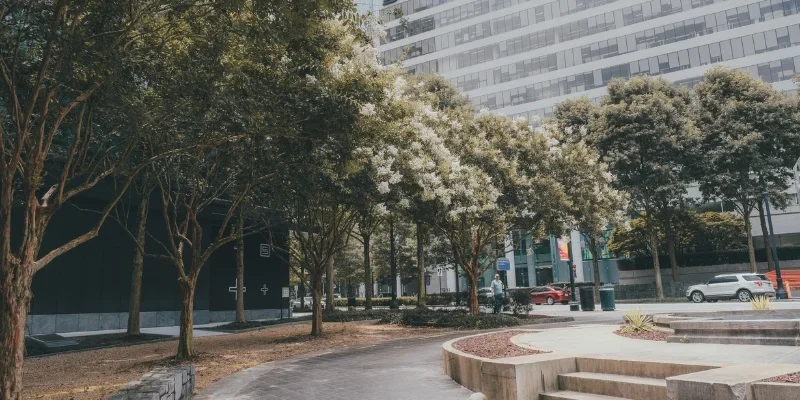
public space enhancement focuses on making shared areas safer, more useful, and more welcoming for everyday life. Newbiggin Reborn presents the topic simply, helping beginners understand how layout, comfort, access, and community purpose can turn ordinary places into stronger local assets.
Community Design Vision With Newbiggin Reborn
Successful public space enhancement begins with understanding how people move, gather, and interact throughout the day. Newbiggin Reborn promotes thoughtful design that supports accessibility, comfort, and long-term community value.
Creating Spaces That Invite Daily Use
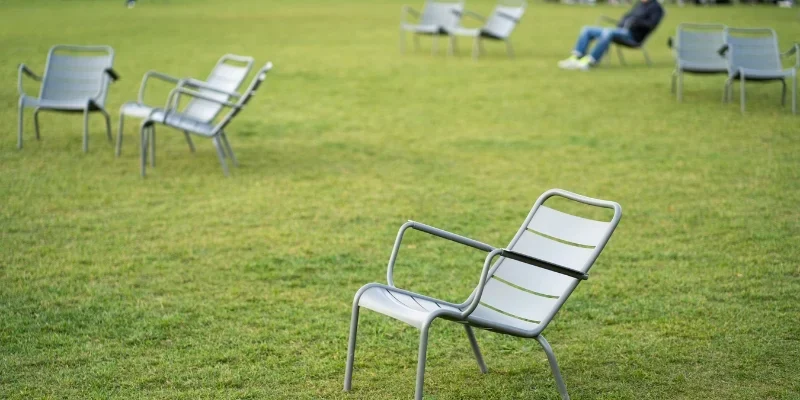
Public spaces achieve lasting success when they encourage everyday activity rather than occasional visits alone. Comfortable seating, open walkways, landscaped areas, and flexible gathering spaces invite people to spend time outdoors throughout the year.
Urban designers often observe that frequently used spaces become safer and more welcoming through regular community presence. Well-planned public space enhancement creates environments where people naturally choose to meet, relax, and enjoy their surroundings.
Improving Comfort Without Overcrowding
A comfortable public environment depends on achieving the right balance between open space and carefully placed facilities. Excessive furniture or landscaping can restrict movement, while overly empty areas may feel uninviting.
| Design Element | Community Benefit |
| Open walkways | Easier pedestrian movement |
| Seating areas | Longer, more comfortable visits |
| Green planting | Improved visual appeal |
| Flexible gathering zones | Supports varied activities |
This balanced approach allows public space enhancement to improve comfort without reducing accessibility or openness.
Making Access Clear For Every Visitor
Inclusive design ensures that people of all ages and abilities can use public spaces confidently. Wide pathways, clear entrances, step-free access, and intuitive layouts improve the experience for everyone.
Accessibility specialists recommend reducing unnecessary obstacles while maintaining logical routes throughout public areas. These principles allow public space enhancement to create welcoming environments that support independent movement and everyday convenience.
Details That Shape Better Shared Places
The success of public space enhancement often depends on practical design details rather than large-scale construction. Small improvements can significantly influence comfort, safety, and long-term usability.

Seating That Supports Longer Visits
Comfortable seating encourages people to remain in public spaces for longer periods, supporting social interaction and community wellbeing. A variety of seating locations allows visitors to choose between sunny areas, shaded spaces, or quieter corners.
Landscape architects frequently recommend distributing seating evenly throughout public spaces instead of concentrating benches in one location. This approach allows public space enhancement to serve different visitor preferences while improving the overall experience.
Lighting That Builds Evening Confidence
Effective lighting extends the safe use of outdoor spaces after sunset while improving visibility and reducing areas of deep shadow. Well-positioned lighting also enhances the appearance of parks, squares, and promenades during evening hours.
Important lighting priorities include:
- Consistent illumination
- Energy-efficient technology
- Reduced glare
- Reliable maintenance access
Thoughtful planning enables public space enhancement to support evening activity while maintaining an attractive public environment.
Routes That Connect People Naturally
Clear pedestrian connections encourage walking between destinations while reducing unnecessary detours. Convenient routes linking transport, recreation, and community facilities make public spaces easier and more enjoyable to use.
Experienced planners often recommend designing pathways around natural movement patterns rather than forcing visitors into indirect routes. This practical strategy allows public space enhancement to strengthen connectivity across the wider community.
Lasting Value For Local Life
Effective public space enhancement delivers long-term benefits by encouraging healthier lifestyles, stronger social connections, and sustainable public investment. Good planning supports communities well beyond the initial construction phase.
Encouraging Activity Across All Ages
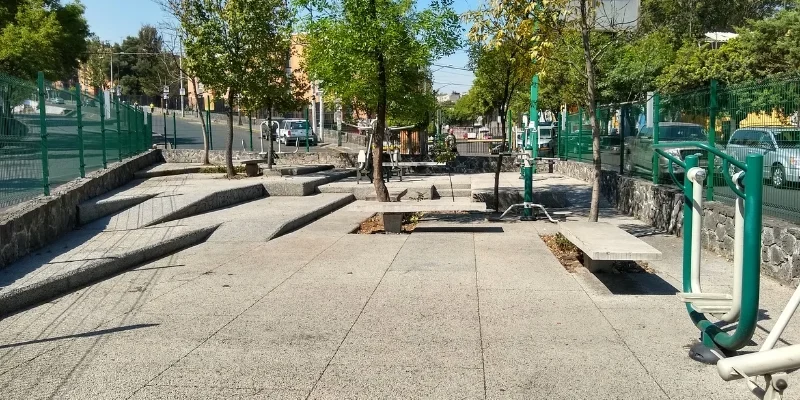
Well-designed public spaces promote walking, cycling, outdoor recreation, and informal exercise for people at every stage of life. Accessible layouts with comfortable resting areas encourage wider participation while supporting everyday wellbeing.
Community planners frequently note that attractive public environments encourage regular physical activity without requiring organised programmes. As a result, public space enhancement contributes positively to both individual health and wider community vitality.
Supporting Events In Flexible Areas
Adaptable public spaces provide opportunities for markets, cultural celebrations, sporting activities, seasonal festivals, and neighbourhood gatherings. Open layouts allow different events to take place throughout the year without compromising everyday use.
Examples of flexible public features include:
- Open event spaces
- Multi-purpose seating areas
- Temporary performance zones
- Accessible utility connections
These practical features help public space enhancement create vibrant places that support changing community needs while encouraging regular public participation.
Planning Maintenance Before Wear Appears
Long-term success depends on maintaining public spaces before visible deterioration develops. Routine inspections identify damaged surfaces, worn seating, drainage issues, or lighting faults while repairs remain simple and cost-effective.
Facilities managers commonly recommend scheduled maintenance supported by regular condition assessments. This proactive approach allows public space enhancement to preserve safety, appearance, and functionality while reducing long-term maintenance costs.
Thoughtfully planned public space enhancement strengthens communities by creating attractive, accessible, and resilient outdoor environments that encourage everyday use. Through balanced design, durable materials, effective maintenance, and flexible public facilities, shared spaces continue serving residents and visitors for years to come.
Guided by the principles reflected through Newbiggin Reborn, successful public space enhancement demonstrates how practical investment in community infrastructure can improve quality of life while supporting vibrant, inclusive public places.
>>> Read More: Waterfront Development Planning With Newbiggin Reborn
Conclusion
Understanding public space enhancement helps readers see how thoughtful design can improve safety, access, comfort, and community pride. Newbiggin Reborn brings these ideas together with clear direction, encouraging every reader to explore better shared spaces with confidence.