
waterfront development focuses on turning coastal areas into safer, more useful, and more welcoming places. Newbiggin Reborn explains the topic simply, helping beginners understand how design, access, public space, and long-term care can shape a stronger connection between communities and the water.
Coastal Space Vision With Newbiggin Reborn
Well-planned waterfront development begins with understanding how people experience coastal spaces. Newbiggin Reborn promotes designs that improve accessibility, encourage activity, and respect the surrounding landscape.
Creating Access That Feels Open And Safe
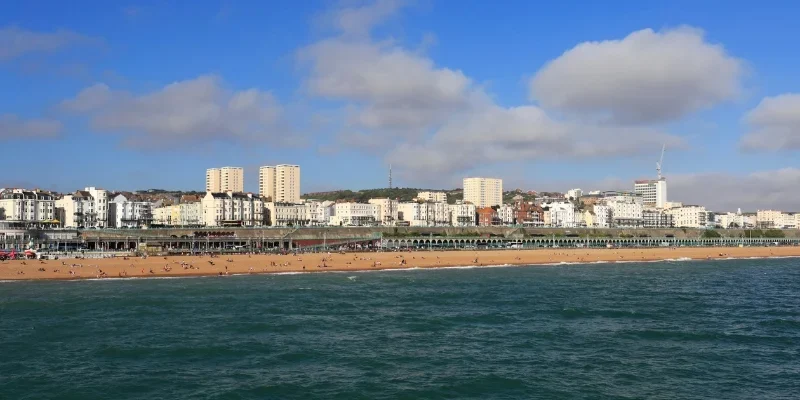
Accessible waterfronts encourage visitors to spend more time exploring coastal areas throughout the year. Wide pathways, gentle gradients, and clearly defined pedestrian routes make movement easier for families, older adults, cyclists, and people with reduced mobility.
Urban designers often recommend eliminating unnecessary barriers while maintaining clear sightlines across public areas. This balanced approach allows waterfront development to improve safety without reducing the openness that makes coastal environments so attractive.
Designing Public Areas Around Daily Use
The most successful waterfronts support everyday activities rather than serving only seasonal visitors. Comfortable seating, shaded spaces, flexible gathering areas, and nearby public facilities create environments that remain active throughout the year.
| Public Feature | Community Benefit |
| Open seating | Encourages longer visits |
| Shared plazas | Supports local gatherings |
| Walking routes | Promotes daily exercise |
| Green spaces | Improves relaxation |
Designing with daily use in mind enables waterfront development to deliver lasting value for both residents and visitors.
Protecting Views While Improving Movement
Excellent waterfront design allows people to enjoy uninterrupted coastal scenery while moving comfortably through public spaces. Landscaping, seating, and public artwork should enhance the setting without creating unnecessary obstacles.
Experienced planners frequently position amenities carefully to preserve key viewpoints while maintaining efficient circulation. This thoughtful balance allows waterfront development to strengthen visitor experiences without compromising accessibility.
Planning Details That Shape Lasting Value
Every successful waterfront development depends on practical planning decisions that support durability, flexibility, and community wellbeing. Small details often have the greatest influence on long-term performance.

Balancing Community Needs With Coastal Limits
Coastal environments require development that respects natural processes alongside public expectations. Engineers, planners, and community representatives often work together to identify solutions that support recreation while protecting vulnerable shoreline areas.
Successful projects consider environmental constraints from the earliest planning stages. This integrated approach helps waterfront development achieve practical improvements without increasing long-term coastal risks.
Choosing Materials For Weather And Wear
Coastal infrastructure faces continuous exposure to salt, moisture, wind, and heavy public use. Durable materials reduce maintenance while preserving the appearance and performance of public spaces over many years.
Key material qualities include:
- Corrosion resistance
- Slip-resistant surfaces
- Low maintenance requirements
- Long service life
Selecting these characteristics allows waterfront development to remain attractive, reliable, and cost-effective despite demanding environmental conditions.
Supporting Events, Walks, And Active Lifestyles
Well-designed waterfronts encourage outdoor activity by providing comfortable routes, gathering spaces, and facilities suitable for community events. Flexible layouts allow promenades to support seasonal festivals, recreational activities, and everyday exercise.
Landscape architects frequently recommend adaptable public spaces that serve multiple purposes throughout the year. This flexibility enables waterfront development to support healthier lifestyles while strengthening local economic and social activity.
Building A More Resilient Waterfront Future
Forward-thinking waterfront development combines durable construction with proactive maintenance and long-term environmental planning. Preparing today helps coastal communities adapt more effectively to future challenges.
Preparing Designs For Seasonal Change
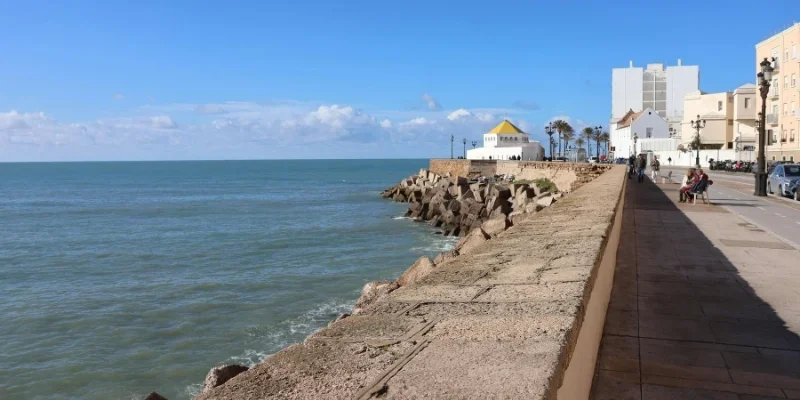
Coastal weather varies significantly throughout the year, requiring infrastructure capable of performing during both calm and severe conditions. Drainage, surface design, and structural resilience all contribute to dependable year-round performance.
Planning for seasonal variation helps reduce disruption while extending infrastructure lifespan. Considering changing environmental conditions enables waterfront development to remain functional and attractive regardless of weather patterns.
Reducing Maintenance Problems Early
Preventative maintenance protects public investment while reducing future repair costs. Regular inspections identify worn surfaces, damaged lighting, drainage issues, or deteriorating street furniture before problems become more expensive to resolve.
Effective maintenance programmes often include:
- Scheduled inspections
- Surface cleaning
- Drainage monitoring
- Prompt minor repairs
These practical measures ensure waterfront development continues delivering safe, attractive public spaces with minimal long-term disruption.
Encouraging Pride In Shared Seafront Spaces
People are more likely to respect and care for public areas that are clean, welcoming, and thoughtfully designed. Attractive landscapes, quality facilities, and accessible public spaces encourage stronger community ownership and regular use.
Successful regeneration projects demonstrate that careful investment benefits both local residents and visitors. Well-managed waterfront development creates environments where communities can gather, celebrate, exercise, and enjoy the coastline with confidence for many years.
Thoughtfully planned waterfront development strengthens coastal communities by combining accessibility, resilience, attractive public spaces, and responsible long-term management. Through practical design, durable materials, proactive maintenance, and community-focused planning, waterfronts continue serving residents and visitors alike.
Guided by the principles reflected through Newbiggin Reborn, successful waterfront development demonstrates how careful investment can create vibrant coastal destinations that remain welcoming, sustainable, and resilient for future generations.
>>> Read More: Public Space Enhancement Planning With Newbiggin Reborn
Conclusion
Understanding waterfront development helps readers see how thoughtful planning can improve access, safety, activity, and long-term coastal value. Newbiggin Reborn brings these ideas together with clear direction, encouraging every reader to explore better seafront possibilities with confidence.