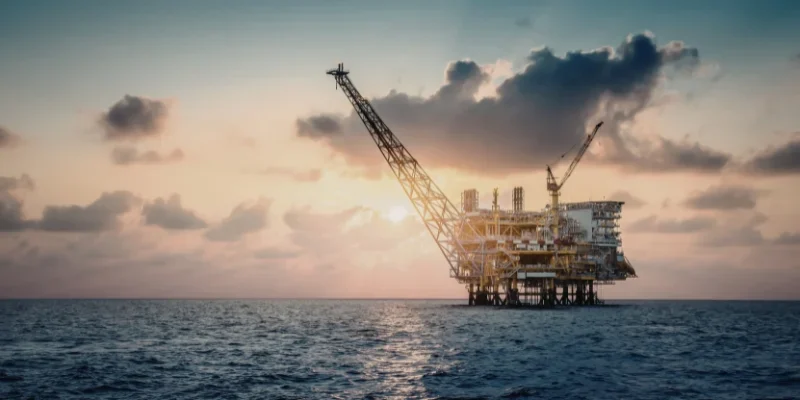
Marine civil engineering focuses on designing and maintaining structures that support safe and resilient coastal environments. Newbiggin Reborn introduces the subject with clear explanations, helping beginners understand how planning, construction, and long-term management contribute to stronger waterfront infrastructure.
Coastal Infrastructure Insights With Newbiggin Reborn
Successful marine civil engineering starts with understanding how coastal environments influence design decisions. Newbiggin Reborn encourages practical planning that balances engineering performance with long-term environmental resilience.
Understanding Marine Site Conditions
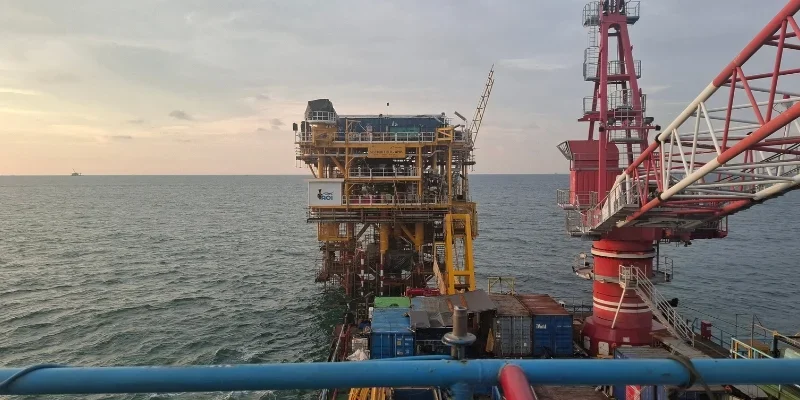
Every coastal location presents unique challenges that influence construction methods and structural design. Engineers assess seabed composition, tidal behaviour, wave exposure, and weather patterns before selecting suitable engineering solutions.
Detailed site investigations reduce uncertainty and improve project performance throughout the structure’s lifespan. A thorough understanding of local conditions enables marine civil engineering projects to respond effectively to changing environmental pressures while maintaining safety and durability.
Selecting Materials For Harsh Environments
Marine environments expose structures to continuous saltwater, moisture, abrasion, and changing temperatures. Material selection therefore plays a crucial role in determining long-term structural performance.
| Material Type | Typical Advantage |
| Reinforced concrete | High structural strength |
| Rock armour | Excellent wave resistance |
| Marine-grade steel | Strong load-bearing capacity |
| Composite materials | Improved corrosion resistance |
Choosing suitable materials allows marine civil engineering projects to minimise deterioration while extending operational life in demanding coastal conditions.
Balancing Durability With Coastal Needs
Strong infrastructure must also complement surrounding environments and community requirements. Engineers balance technical performance with practical considerations such as accessibility, maintenance, and environmental compatibility.
Experienced professionals evaluate whole-life performance rather than focusing solely on initial construction costs. This balanced approach enables marine civil engineering to deliver infrastructure that remains effective, practical, and economically sustainable for decades.
Building Strong Foundations Near The Sea
Reliable marine civil engineering depends upon careful planning before construction begins. Strong foundations, accurate surveys, and well-informed design choices create infrastructure capable of performing under demanding coastal conditions.
Managing Waves During Construction
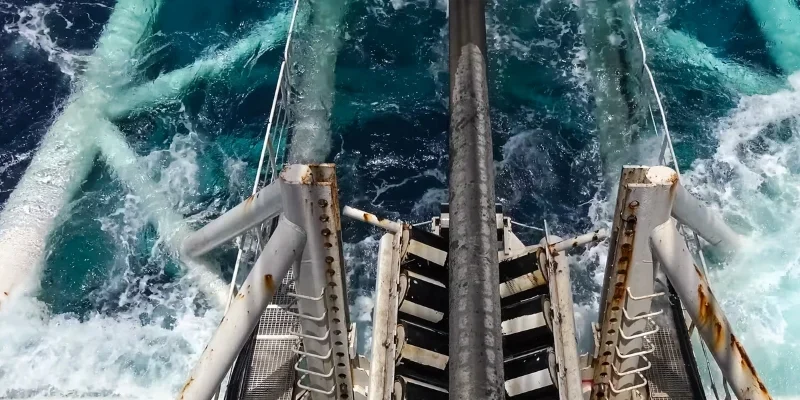
Construction activities near the shoreline require careful scheduling around tides, wave conditions, and weather forecasts. Temporary protective measures often reduce risks while allowing work to continue safely.
Construction managers regularly monitor marine forecasts to adjust daily operations when conditions change. This flexible approach allows marine civil engineering projects to maintain safety while minimising delays caused by challenging coastal environments.
Designing For Long-Term Structural Stability
Long-term stability depends on more than structural strength alone. Foundation depth, load distribution, drainage, and ongoing environmental forces all influence the lifespan of coastal infrastructure.
Important design considerations include:
- Seabed stability
- Wave loading
- Drainage performance
- Future maintenance access
Careful attention to these factors enables marine civil engineering to deliver structures that remain safe and dependable throughout changing coastal conditions.
Reducing Environmental Impact Through Planning
Modern engineering increasingly focuses on minimising environmental disturbance while meeting infrastructure objectives. Early environmental assessments help identify sensitive habitats, water quality concerns, and wildlife considerations before work begins.
Planning construction activities responsibly allows engineers to reduce disruption while maintaining project efficiency. Sustainable planning ensures marine civil engineering contributes positively to long-term coastal resilience alongside infrastructure development.
Future-Focused Coastal Development
Well-designed marine civil engineering creates infrastructure that continues serving communities as environmental conditions evolve. Regular assessment and forward planning strengthen long-term reliability while supporting sustainable coastal growth.
Improving Maintenance Through Regular Assessment
Routine inspections help identify minor issues before they develop into major structural concerns. Monitoring corrosion, settlement, drainage, and protective systems allows maintenance teams to intervene efficiently and cost-effectively.
Industry specialists recommend structured inspection programmes supported by accurate maintenance records. These proactive measures enable marine civil engineering projects to extend service life while reducing unexpected repair requirements.
Supporting Sustainable Waterfront Communities
Successful coastal infrastructure benefits more than transport or industry. It also supports public access, recreation, tourism, and community wellbeing while protecting valuable shoreline environments.
Examples of sustainable priorities include:
- Safe public walkways
- Accessible waterfront facilities
- Durable flood protection
- Efficient maintenance planning
Integrating these objectives allows marine civil engineering to strengthen communities while encouraging responsible long-term coastal development.
Preparing Infrastructure For Changing Conditions
Climate patterns, sea-level variation, and evolving coastal processes require infrastructure capable of adapting over time. Flexible design strategies help structures continue performing under future environmental conditions without extensive reconstruction.
Forward-thinking engineers increasingly consider resilience throughout every project stage. By planning beyond immediate requirements, marine civil engineering creates infrastructure prepared for changing coastal demands while protecting valuable public investments.
Thoughtfully planned marine civil engineering provides long-lasting benefits by combining technical expertise, durable construction, environmental responsibility, and practical maintenance strategies. Careful site assessment, resilient design, and sustainable development principles ensure coastal infrastructure continues serving communities safely for many years.
Guided by the values reflected through Newbiggin Reborn, successful marine civil engineering demonstrates how intelligent engineering can protect coastlines, strengthen public infrastructure, and support future-ready waterfront environments.
>>> Read More: Coastal Protection Structures With Newbiggin Reborn
Conclusion
Learning about marine civil engineering provides a stronger understanding of coastal infrastructure, practical design, and sustainable development. Newbiggin Reborn offers accessible guidance that encourages readers to explore the subject further and build lasting knowledge with confidence.