
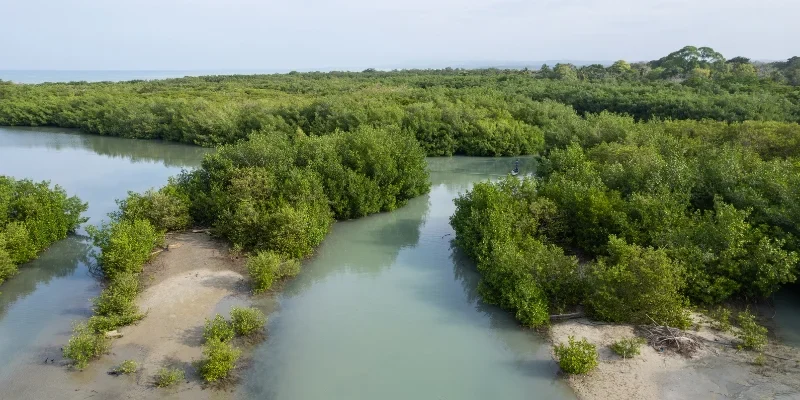
coastal protection structures help defend shorelines from waves, erosion, and changing sea conditions. Newbiggin Reborn presents the topic in a simple beginner-friendly way, showing how thoughtful design, local needs, and long-term care can support safer and more resilient coastal spaces.
Shoreline Defence Basics With Newbiggin Reborn
Effective coastal protection structures rely on understanding local wave patterns, shoreline conditions, and environmental pressures. Newbiggin Reborn promotes practical planning that strengthens long-term coastal resilience.
How Waves Influence Structural Choices
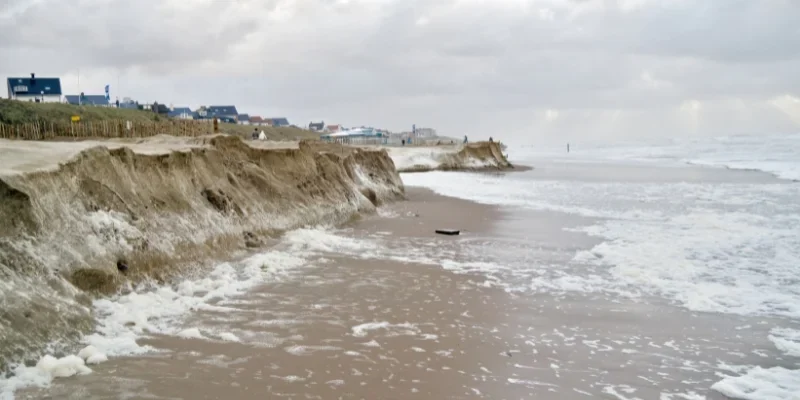
Wave behaviour is one of the most important considerations in coastal engineering. Strong, repeated wave action can gradually remove beach material, damage infrastructure, and increase flood risks if suitable protection is not in place. Engineers evaluate wave height, frequency, and direction before recommending appropriate solutions.
Understanding these marine forces allows coastal protection structures to reduce energy effectively while maintaining natural coastal processes wherever possible. Careful assessment supports safer, more durable shoreline management.
Why Location Shapes Coastal Performance
The position of a protective structure has a direct influence on its long-term effectiveness. Coastal geometry, seabed conditions, harbour access, and sediment movement all affect how well different engineering solutions perform.
| Location Factor | Engineering Benefit |
| Offshore placement | Reduces incoming wave force |
| Harbour entrance | Improves navigation safety |
| Exposed shoreline | Increases erosion resistance |
| Curved coastline | Supports balanced wave control |
Selecting suitable locations helps coastal protection structures provide reliable defence while minimising unwanted environmental impacts.
Materials That Support Lasting Stability
Durable construction materials are essential because coastal environments expose structures to constant saltwater, storms, and tidal movement. Engineers select materials capable of resisting corrosion, impact, and long-term weathering.
Rock armour, reinforced concrete, and specially designed protective units each offer advantages depending on environmental conditions. Choosing appropriate materials ensures coastal protection structures remain dependable while reducing maintenance demands throughout their operational life.
Choosing The Right Barrier For Local Needs
Every coastline presents different engineering challenges, making careful planning essential. Well-designed coastal protection structures reflect local environmental conditions rather than relying on standard solutions alone.
Matching Designs To Erosion Pressure
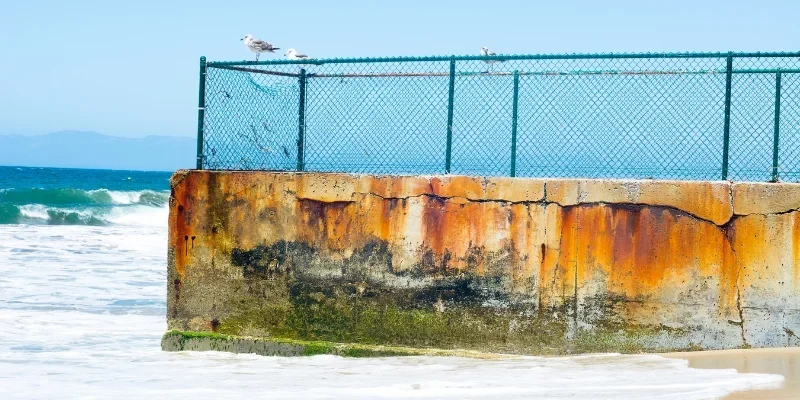
Coastal erosion varies considerably depending on geology, wave exposure, and sediment movement. Engineers study these conditions before selecting barriers capable of delivering suitable long-term performance.
Specialists often compare historical shoreline changes with current environmental data before recommending specific designs. This evidence-based approach ensures coastal protection structures respond effectively to both present-day conditions and future coastal changes.
Balancing Protection With Public Access
Protective infrastructure should enhance safety without unnecessarily limiting public enjoyment of coastal spaces. Walkways, viewing areas, and safe waterfront access often remain important considerations throughout the design process.
Useful planning priorities include:
- Maintaining pedestrian access
- Protecting recreational areas
- Supporting coastal tourism
- Preserving scenic viewpoints
Integrating these objectives allows coastal protection structures to protect valuable assets while encouraging continued community use of waterfront environments.
Planning Around Tides And Seasonal Change
Tides and seasonal weather patterns influence both construction methods and long-term structural performance. Engineers analyse tidal ranges, storm frequency, and seasonal wave conditions before determining installation schedules and design details.
Careful environmental planning improves construction efficiency while reducing operational risks. Accounting for natural variation allows coastal protection structures to perform consistently throughout changing coastal conditions.
Long-Term Care For Stronger Coastlines
Reliable coastal protection structures require ongoing inspection and maintenance to preserve their effectiveness. Regular attention extends service life while reducing long-term repair costs and improving public safety.

Inspecting Early Signs Of Wear
Routine inspections allow engineers to identify small problems before they become significant structural concerns. Surface erosion, displaced materials, drainage issues, and minor cracking are often easier and less expensive to address during early stages.
Infrastructure managers commonly schedule inspections after severe storms as well as during routine maintenance programmes. These practices help coastal protection structures continue performing safely under demanding marine conditions.
Reducing Future Repair Costs
Preventative maintenance usually delivers better value than responding to major failures after damage has occurred. Regular monitoring allows maintenance teams to prioritise repairs efficiently while preserving structural performance.
Practical maintenance strategies include:
- Inspect drainage systems regularly.
- Replace damaged protective elements promptly.
- Monitor shoreline movement.
- Record inspection findings consistently.
Following these approaches helps coastal protection structures remain effective while controlling maintenance expenditure over the long term.
Supporting Safer Community Spaces
Well-maintained coastal infrastructure protects not only property but also public spaces used for recreation, transport, and community events. Safe promenades, harbours, and waterfront facilities encourage continued access while reducing risks associated with coastal hazards.
Successful projects recognise that engineering solutions should serve both environmental protection and community wellbeing. Properly managed coastal protection structures strengthen public confidence by supporting resilient coastlines that remain accessible, attractive, and functional for future generations.
Thoughtfully designed coastal protection structures provide lasting benefits by reducing erosion, improving resilience, protecting infrastructure, and supporting safer coastal communities. Through careful planning, appropriate materials, regular maintenance, and balanced engineering decisions, shoreline protection becomes both effective and sustainable.
Guided by the principles reflected through Newbiggin Reborn, successful coastal protection structures demonstrate how practical coastal management can preserve valuable environments while meeting the changing needs of communities for many years to come.
>>> Read More: Marine Civil Engineering By Newbiggin Reborn Explained
Conclusion
Understanding coastal protection structures gives readers a clearer view of shoreline safety, smart planning, and lasting value. Newbiggin Reborn brings these ideas together with practical direction, helping each reader take the next step toward stronger coastal awareness.