Marine construction gives Newbiggin Reborn a disciplined way to manage offshore works, structural risk, and long term coastal asset care. The Newbiggin Bay scheme shows why maritime projects need more than ordinary civil engineering routines. Its offshore defence used geotextile fabric, rock core, concrete armour, and heavy marine logistics before beach recharge followed.
Risk Management And Offshore Challenges In Marine construction
Risk management begins before a vessel enters the bay, because sea conditions can change the safest plan within hours. Newbiggin’s historic coastal works used around 60,000 tonnes of rock and concrete armour, showing the scale of exposed operations. Crews also had to coordinate dredging, pipeline delivery, offshore placement, and public safety near a working shoreline. A structured risk register should cover weather, tides, lifting limits, pollution, seabed movement, corrosion, and community access.
Weather Extremes And Emergency Evacuation In Marine construction
Storms, fog, sudden wind shifts, and poor visibility can interrupt lifting, towing, diving, surveying, and pipeline work. Every task should have stop work thresholds for wind speed, wave height, tide state, and vessel stability. Emergency plans must identify safe refuge points, evacuation routes, muster areas, radio channels, and medical support before operations begin. Regular drills help crews respond quickly without improvising during dangerous offshore conditions.
Salt Corrosion And Material Durability Measures
Salt water, airborne spray, and wet dry cycles can shorten the life of steel fixtures, exposed reinforcement, sensors, fasteners, and temporary platforms. In Marine construction, material choices should favour protected steel, corrosion resistant coatings, marine grade cabling, sealed housings, and inspectable connections. Concrete units also need controlled curing, correct mix design, and checks for cracks before deployment. A durability plan should define inspection intervals, replacement triggers, and maintenance responsibility for at least twenty years.
Foundation Settlement From Fast Seabed Currents
Seabed movement can undermine heavy structures when currents remove fine material near the toe or foundation. Newbiggin’s offshore defence used geotextile fabric and a rock core to create a stable base before concrete armour was added. Engineers should check scour risk, sediment strength, and settlement potential through surveys before placement begins. After storms, bathymetric comparison can reveal whether the base remains stable or needs targeted repair.
Tide And Current Pressure On Work Schedules
Marine schedules depend on workable windows created by tides, currents, daylight, navigation rules, and weather forecasts. A Marine construction programme should split activities into tide critical, weather critical, and shore access critical packages. This helps managers decide which tasks can continue when offshore conditions block lifting or dredging. Public schedules must include contingency because exact marine timing cannot be guaranteed like ordinary road works.
Oil Pollution Risk From Heavy Plant
Dredgers, barges, cranes, generators, and service vessels create pollution risk when fuel, hydraulic oil, or lubricants are handled near water. Spill prevention should include bunded storage, refuelling controls, absorbent equipment, drip trays, trained staff, and immediate reporting rules. The site team should record every near miss, because small leaks may reveal weak procedures. Environmental controls protect public trust when they are visible, tested, and documented.
Operational Lifecycle And Maintenance For Marine construction
A marine asset enters its most important phase after opening, when storms, corrosion, settlement, and public use begin testing the original design. Newbiggin’s coastal system combined an offshore breakwater with about 300,000 cubic metres of beach recharge, so maintenance must study structure and sediment together. The lifecycle plan should include inspections, repairs, cleaning, dredging reviews, sensor checks, and emergency access planning.
Robotic Inspections For Marine construction Assets
Autonomous underwater vehicles and remotely operated vehicles can inspect armour units, scour zones, submerged cracks, and hidden toe movement. They reduce diver exposure during poor visibility, cold water, or unstable post storm conditions. For Marine construction, robotic surveys can produce video records, sonar maps, and repeatable measurements at fixed coordinates. These records help engineers compare yearly condition instead of relying on memory or scattered photographs.
Periodic Dredging Plans For Clear Navigation
Navigation around construction zones, maintenance vessels, and local craft needs predictable water depth and marked access. Dredging may not be constant, but surveys should identify whether deposition or scour affects safe movement near working routes. A maintenance plan can set trigger levels for dredging, buoy relocation, or temporary notices to mariners. Clear rules protect fishers, leisure users, contractors, and emergency services operating near the bay.
Early Warning Sensors For Submerged Concrete Cracks
Sensors can support inspections by detecting movement, tilt, vibration, moisture ingress, or unusual strain before visible failure develops. A Marine construction monitoring package may combine embedded gauges, surface markers, corrosion probes, and remote data alerts. The system should avoid collecting data that nobody reviews, because unused alerts create false confidence. Each alert needs an owner, response time, verification method, and repair pathway.
Storm Damage Repair After Severe Events
Severe storms can shift armour, expose bedding layers, damage access points, and accelerate erosion near structure ends. Repairs should begin with a rapid inspection, followed by risk grading and clear public communication. The first priority is stabilising unsafe areas before restoring appearance or visitor convenience. A practical target is an initial safety inspection within 48 hours after a major storm warning ends.
Digital Technology Trends In Marine construction
Digital tools can make offshore asset management faster, safer, and more transparent when they are linked to decisions. Drones, fixed cameras, sonar surveys, GIS maps, digital twins, and cloud dashboards can combine photographs, measurements, maintenance logs, and weather records. For Newbiggin Reborn, a digital record would help residents see why repairs, closures, or inspections happen after storms.
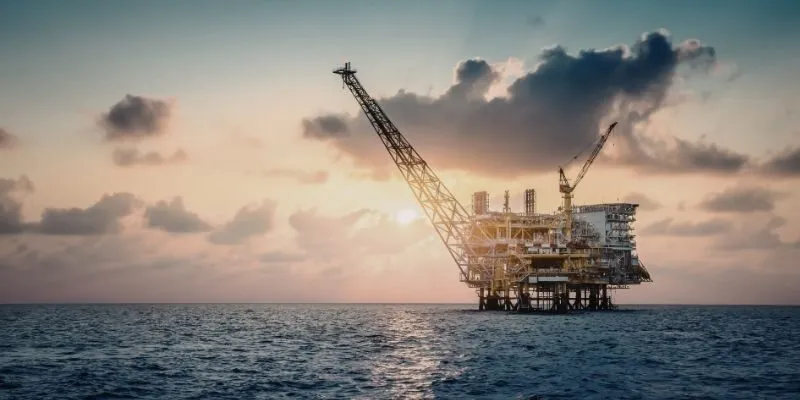
The strongest systems avoid turning technology into a disconnected showcase. Marine construction data should feed inspection priorities, repair budgets, public updates, and environmental reviews. A useful dashboard can publish two condition summaries each year, record storm inspections, and track outstanding defects until they close. Over time, trend data can reveal whether corrosion, scour, settlement, or sediment movement is accelerating beyond expected limits.
Conclusion
Marine construction gives Newbiggin Reborn a practical operating discipline for managing offshore risk, durable materials, emergency planning, inspections, and digital monitoring. The historic Newbiggin works prove that marine assets require careful sequencing, specialist equipment, environmental safeguards, and long term maintenance after construction ends. Future Breakwater Construction resilience will depend on robotics, sensors, storm repair protocols, pollution controls, and transparent reports that residents can understand.