Public space upgrades give Newbiggin Reborn a practical way to turn regeneration into daily comfort, safer movement, and stronger community pride. The focus is not only decorative streetscape work, because shared areas influence how residents meet, trade, rest, volunteer, and welcome visitors. A useful plan should connect the promenade, beach, parking, civic routes, event areas, and small business frontage. Clear design, measurable maintenance, and resident testing can turn public land into an active social asset.
Rebuilding Civic Quality Through Public space upgrades
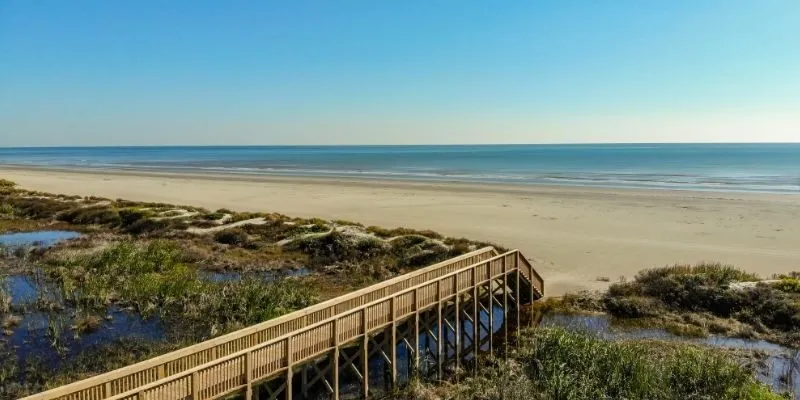
A public realm strategy should begin with how people actually use land across ordinary weekdays, school holidays, storm periods, and local events. Newbiggin already has a coastal setting shaped by beach recharge, promenade renewal, the Maritime Centre, and visitor movement around the bay. Future improvements should connect those assets with greener routes, safer access, seating, lighting, and well managed open space.

Community Needs And Smarter Land Use
Public space upgrades should start with resident needs rather than a fixed design style. Surveys can ask households, traders, carers, schools, and older users how often they visit key routes and which barriers reduce use. Land use mapping should identify underused corners, poor crossing points, weak links to shops, and spaces suitable for small gatherings. A target of 500 resident responses and ten stakeholder walks would give the design team a stronger evidence base.
Access Networks And Smart Parking
Better access depends on how pedestrians, cyclists, buses, cars, service vehicles, and emergency teams move through the same coastal area. Parking improvements should guide visitors without allowing vehicles to dominate views or reduce walking comfort. Smart signs can show walking times to the bay, available spaces, disabled bays, toilets, and nearby businesses. The goal is a calmer arrival sequence that helps people move from car parks to civic spaces without confusion.
Comfortable And Coordinated Street Furniture
Street furniture should be durable, repairable, and visually consistent across the town edge and seafront. Benches, bins, cycle stands, signs, planters, and information boards need one material logic so the area does not look assembled from unrelated purchases. Public space upgrades should place seating near views, crossings, waiting points, and quieter conversation areas. Maintenance records should track broken fixtures, cleaning needs, replacement costs, and response times.
Flexible Open Areas For Cultural Events
Open spaces should support everyday use before they host larger cultural events. A flexible square of 150 to 300 square metres can serve markets, school displays, heritage talks, small performances, and seasonal community activities. Power points, drainage, lighting, loading access, and crowd movement should be planned before events are advertised. Good design allows temporary activity without blocking emergency routes or damaging green areas.
Urban Design For Safer Public Places
Safety can improve through visibility, lighting, active frontages, seating positions, and clear paths. Hidden corners, poor sightlines, blank walls, and isolated waiting spots should be redesigned where possible. Community safety teams can review spaces during daytime, evening, and winter conditions because risk changes with light and activity. Public space upgrades should make people feel welcome without creating an overcontrolled or hostile atmosphere.
Ecological And Smart City Layers In Public space upgrades
Ecology and technology should strengthen public value instead of becoming fashionable add-ons. Newbiggin’s coastal environment faces wind, salt, heavy rain, tourism pressure, and changing weather patterns, so materials and systems must be chosen carefully. Smart lighting, permeable surfaces, native planting, and water management can reduce maintenance pressure while improving comfort.

Native Planting And Greener Street Ratios
Increasing green coverage can soften hard surfaces, guide movement, and support local biodiversity. Planting should use species that tolerate salt spray, wind exposure, poor soils, and periods of drought. A realistic target is to raise planted surface by 10 percent within priority public areas over three years. Survival rates should be checked after each winter so failed planting does not become a neglected visual problem.
Permeable Surfaces For Heat And Rain
Permeable paving can reduce standing water, improve drainage, and soften hard urban edges when installed above suitable ground. Designers should test sub-base depth, maintenance access, loading limits, and sediment clogging risk before choosing materials. Public space upgrades should apply permeable treatment near plazas, waiting areas, and selected walking routes rather than everywhere without evidence. Annual cleaning can protect performance and prevent the surface from becoming ordinary blocked paving.
Smart Lighting With Lower Energy Demand
Smart lighting can improve evening comfort while reducing unnecessary energy use. Sensors, dimming schedules, warmer colour temperatures, and focused fixtures can protect movement without creating glare across the bay. Lighting priorities should include crossings, ramps, seating areas, bus stops, and routes between parking and the seafront. Performance can be measured through outage hours, repair time, energy use, and user confidence surveys.
Circular Rainwater And Landscape Storage
Water management should treat rainfall as a design resource instead of only a drainage problem. Rain gardens, planted channels, storage basins, and controlled overflow routes can reduce puddling and improve visual quality. A small landscape basin can also become an educational feature when signs explain how it manages stormwater. The system needs inspection after heavy rainfall so sediment, litter, and blocked inlets are cleared quickly.
Social And Economic Value From Public space upgrades
Public realm renewal can strengthen local identity when people feel invited to use the same spaces in different ways. Better routes can help residents reach shops, the promenade, heritage points, the Maritime Centre, and the beach more naturally. Public space upgrades can also support cafés, markets, guided walks, youth activities, and volunteer events by making shared areas easier to navigate.

Economic value should be measured through dwell time, business feedback, event attendance, vacancy trends, and visitor satisfaction. Social value should include older residents, disabled users, families, young people, volunteers, and community groups rather than only tourist numbers. Public space upgrades should avoid pushing out small traders through overcommercial design or excessive permit costs. A balanced plan protects everyday community use while creating more reasons for visitors to stay longer.
Conclusion
Public space upgrades give Newbiggin Reborn a grounded route for linking civic comfort, greener design, safer access, local trade, and social connection. The strongest Promenade Improvements strategy should begin with community evidence, then improve routes, seating, lighting, drainage, planting, event readiness, and maintenance reporting. Results must be checked through audits, resident feedback, business confidence, and visible repair records rather than presentation images alone.