Wave protection gives Newbiggin Reborn a practical framework for defending the bay while keeping public access, tourism, and community life active. The approach combines hard structures, softer buffers, ecological planning, and long range climate thinking. Newbiggin’s coastal works show why wave energy must be managed before it damages sea walls, promenade routes, and renewed beach areas.
Technology Systems For Wave protection And Marine Defence
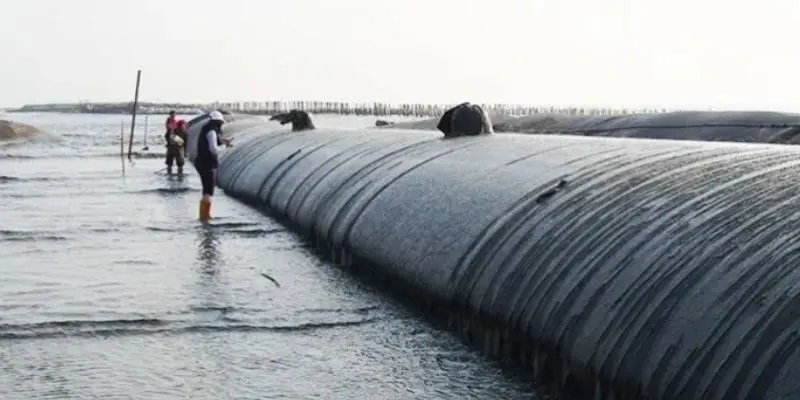
Coastal defence begins with understanding how waves travel, break, reflect, and transfer force into shoreline structures. Newbiggin Bay used a layered offshore defence with geotextile fabric, rock core, concrete armour, and later beach recharge. Records describe about 60,000 tonnes of rock and concrete armour, followed by 300,000 cubic metres of sand pumped ashore. These figures show that protection is not a single wall, but a combined system shaped by exposure, sediment movement, and public use.
Gravity Structures That Dissipate Wave Energy
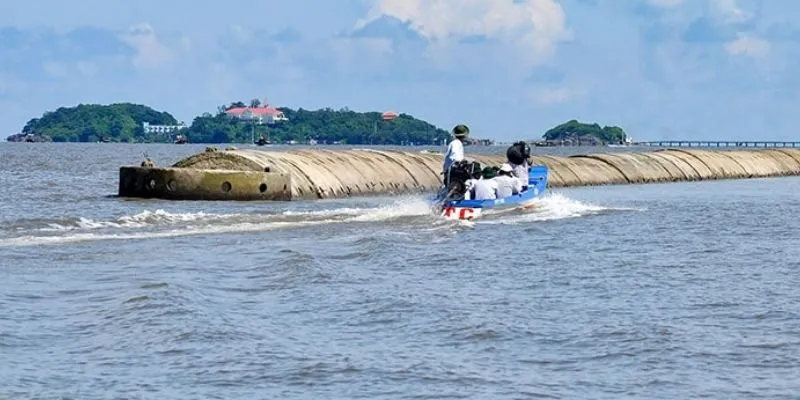
Gravity based structures rely on mass, slope, friction, and interlocking material to resist repeated wave attack. Rock armour, concrete blocks, and rubble cores absorb force by forcing water through gaps and over uneven surfaces. Wave protection improves when the structure breaks energy gradually instead of reflecting every wave directly back into the bay. Engineers must still check toe scour, settlement, and armour displacement after severe storm seasons.
Reinforced Concrete Seawalls Facing Direct Impact
Concrete seawalls protect roads, promenades, utilities, and buildings where space for wider natural buffers is limited. They can reflect wave force strongly, so design must consider overtopping, drainage, foundations, and safe access. Wave protection using seawalls works best when paired with a beach buffer that reduces direct impact before waves reach the wall. Regular checks should record cracks, exposed reinforcement, joint movement, and surface erosion.
Rock Revetments And Sloped Sea Defence Design
Sloped rock revetments reduce wave pressure by allowing water to climb, break, and drain through layered stone. Their performance depends on rock size, grading, filter layers, slope angle, and the stability of the toe. Newbiggin’s earlier concerns about undersized armour show why correct material selection matters. A revetment should be inspected after storms because displaced stones can create weak points quickly.
Artificial Armour Units For Large Storm Waves
Specialist concrete units can interlock in multiple directions and provide strong resistance where natural rock alone is insufficient. Newbiggin used Coreloc armour units as part of its offshore structure, giving the defence more wave dissipation capacity. Wave protection benefits from these units when placement accuracy, curing quality, and inspection records are maintained. Poorly aligned units can lose interlock and expose smaller material beneath them.
Hydrodynamic Modelling For Design Wave Height
Hydrodynamic modelling estimates wave height, period, direction, run up, overtopping, and energy concentration before construction begins. The model should test ordinary conditions, severe storms, climate allowances, and structure failure scenarios. Wave protection planning becomes stronger when numerical forecasts are compared with field data, physical model tests, and post storm evidence. This prevents future decisions from relying only on attractive design drawings.
Ecological And Shore Zone Management For Wave protection
Sustainable coastal defence should include nature based ideas where they suit the local environment. Some global coasts use mangroves or coral systems, but Newbiggin’s North Sea setting requires different ecological thinking. Practical options include beach recharge, habitat friendly rock surfaces, dune edge care, water quality checks, and careful public zoning. The aim is to reduce wave risk while keeping the bay recognisable as a living coastal place.
Mangrove Barriers And Local Suitability Limits
Mangroves can reduce wave force in tropical and subtropical estuaries, but they are not a realistic Newbiggin habitat. Mentioning them is useful because it shows why coastal solutions must match climate, salinity, sediment, and native ecology. Newbiggin should instead focus on locally appropriate vegetation, dune protection, and strandline management where surveys support action. Imported ecological ideas should never replace evidence from the actual bay.
Artificial Reef Systems For Distant Wave Reduction
Artificial reefs can break or reduce offshore energy while creating hard surfaces for marine organisms. Their suitability depends on depth, navigation, fisheries, sediment movement, construction cost, and long term maintenance. At Newbiggin, the existing offshore breakwater already performs part of this distant energy reduction role. Any reef style addition would need environmental assessment before being promoted as a quick solution.
Beach Nourishment As A Protective Buffer
Beach nourishment creates a flexible buffer that absorbs wave energy before hard assets receive direct pressure. Newbiggin’s major recharge helped rebuild recreational sand while supporting the function of offshore defences. Wave protection through nourishment needs repeated profile checks because storms can move material within one season. The method works best when linked to retention structures, access control, and transparent maintenance planning.
Coastal Planning Against Storm And Flood Impact
Shore zone planning should guide where events, buildings, utilities, paths, and vehicle access are safest. Setback rules, emergency routes, drainage design, warning signs, and temporary closure plans reduce risk before storms arrive. Public maps should explain which areas remain open, restricted, or under inspection after severe weather. Planning also protects tourism because visitors trust places that communicate hazards clearly.
Integrated Wave protection Between Structures And Policy
Integrated defence matters because no single structure can solve every coastal problem. Hard engineering can reduce immediate force, while beach buffers, zoning rules, environmental monitoring, and emergency planning reduce wider vulnerability. Wave protection for Newbiggin should therefore combine inspections, sediment surveys, community updates, repair budgets, and visitor management into one operating cycle. This makes protection easier to explain to residents because each action supports the same resilience goal.

A combined approach should be measured through storm recovery time, beach level retention, maintenance cost, closure days, incident reports, and visitor satisfaction. Suggested targets include inspections within 48 hours after major storms, two public condition updates per year, and six fixed shoreline photo points. Engineers, local authorities, businesses, and residents can use the same evidence instead of arguing from separate impressions. The best system protects infrastructure while keeping the seafront attractive enough to support local economic life.
Long Term Wave protection Vision For Climate Resilience
Climate change can increase pressure through sea level rise, stronger storm surges, heavier rainfall, and faster damage cycles. Newbiggin needs a forward looking approach that tests whether today’s structures will still perform under future conditions. Wave protection should include scenario reviews every five years, updated maintenance costs, and clear triggers for repair, recharge, or redesign.
The vision should treat the bay as a managed system that changes but remains cared for. Digital monitoring, drone surveys, public dashboards, and storm records can help teams recognise trends before failures become expensive. Funding bids should be supported by inspection data, not only by general climate concern. When the town links science, finance, public trust, and environmental limits, it can adapt without losing its coastal identity.
Conclusion
Wave protection gives Newbiggin Reborn a balanced route for reducing storm force, supporting beach stability, protecting inland assets, and preparing for climate pressure. The strongest Breakwater Construction model combines rock armour, concrete units, beach nourishment, ecological monitoring, zoning rules, and transparent maintenance rather than depending on one structure alone.