
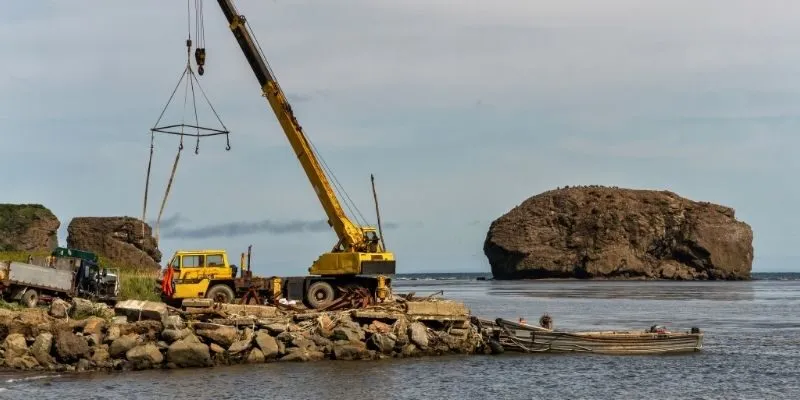
Coastal structures give Newbiggin Reborn a practical framework for protecting the bay while supporting public access, tourism, ecology, and long term maintenance. The term covers hard engineering, softer buffers, monitoring systems, and operating rules that keep a renewed coast functional. Newbiggin’s earlier scheme combined an offshore breakwater with major beach recharge, proving that several measures must work together.
Classification And Principles Of Coastal structures
Coastal defence begins by choosing the right structure for the right risk, not by copying one solution from another shoreline. Newbiggin Bay needed protection because erosion had weakened the beach buffer and increased pressure on sea walls. The completed scheme used around 60,000 tonnes of rock and concrete armour, then added about 300,000 cubic metres of beach recharge. This shows why classification matters, because each defence type controls waves, sediment, access, or flooding in a different way.
Hard Frontline Systems Against Wave Pressure
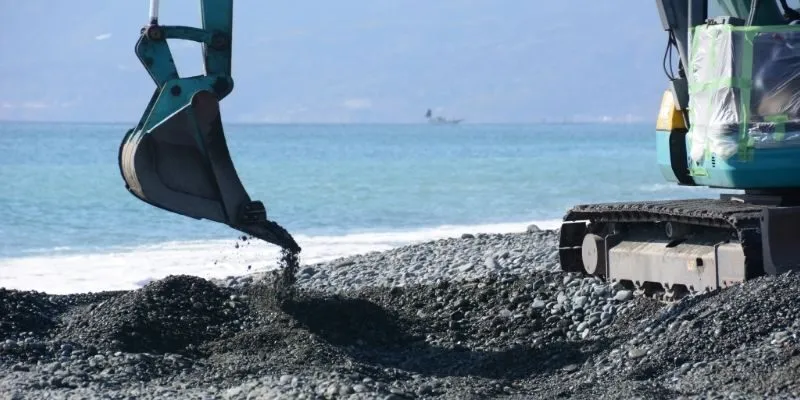
Hard frontline systems include revetments, sea walls, armour stone, and concrete protection placed where wave attack reaches valuable land. They resist direct force, shield public assets, and reduce immediate risk to promenades, roads, utilities, and buildings. Coastal structures of this type require strong foundations because reflected energy and toe scour can create hidden weaknesses. They should be inspected after storms rather than judged only by their surface appearance.
Breakwater Forms That Reduce Hydrodynamic Energy
Breakwaters work offshore or nearshore by lowering wave energy before it reaches the active beach. Newbiggin’s breakwater used geotextile fabric, rock core, and Coreloc concrete armour to protect the bay and retain sand. The sheltered area behind the structure can improve beach stability while still allowing the coast to remain open and recognisable. Coastal structures like breakwaters perform best when beach surveys and armour inspections are reviewed together.
Groynes And Sand Retention Along The Beach
Groynes interrupt longshore movement by slowing the sideways transport of sand along a coast. They can help retain material in selected beach cells, but they may also starve neighbouring sections if designed poorly. Any groyne plan should consider wave angle, sediment supply, adjacent beaches, and maintenance needs. At Newbiggin, the main published intervention focused on offshore retention and recharge rather than a groyne dominated layout.
Sea Walls Protecting Urban Coastal Infrastructure
Sea walls are useful where buildings, promenades, or services stand close to the shoreline. They can protect fixed assets, but they often reflect wave energy and may reduce beach width if sediment supply is weak. A healthier design pairs wall protection with a fronting beach or armour that absorbs impact first. Coastal structures should therefore be designed as linked layers, not isolated concrete boundaries.
Strengths And Limits Of Solid Engineering
Solid engineering provides visible protection, predictable load paths, and clear inspection points. Its limits include high capital cost, environmental disturbance, visual impact, and long term maintenance liabilities. Earlier concerns at Newbiggin about undersized armour show why poor specification can shorten service life. Decision makers should compare lifespan, repair cost, climate pressure, public access, and ecological impact before selecting any permanent option.
Soft Defence And Ecological Integration In Coastal structures
Soft defence works with natural processes instead of depending only on heavy walls or armour. It can include beach nourishment, dune care, planting, controlled access, habitat design, and public behaviour management. For Newbiggin Reborn, these measures should support the restored bay while reducing avoidable stress on the shoreline. Coastal structures become more resilient when engineering strength is combined with sediment care, ecology, and community stewardship.
Artificial Nourishment As A Wave Buffer
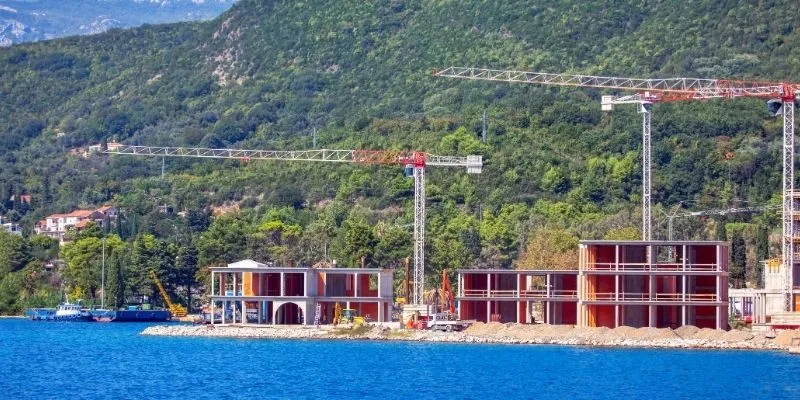
Beach nourishment adds compatible sand to create a flexible buffer between waves and hard assets. Newbiggin’s recharge created a wider beach surface that supports both protection and recreation. The material can shift under storms, so managers must survey profiles and plan selective maintenance. Coastal structures gain value when nourishment absorbs energy before waves reach fixed defences.
Mangroves And Biological Wave Barriers
Mangroves reduce wave force in tropical and subtropical settings, but they are not suitable for Newbiggin’s North Sea climate. Their inclusion in coastal planning still helps explain why nature based solutions must match local ecology. Newbiggin should instead focus on native dune edge care, strandline protection, and habitat sensitive access management. Imported ecological models should never replace evidence from the actual bay.
Artificial Dunes Against Surge And Wind
Dunes can reduce wind blown sand loss, provide habitat, and create a softer inland transition. Where space allows, low fencing and native planting can guide movement while helping sand settle naturally. These measures need survival checks, trampling controls, and clear public signs explaining why some areas are protected. Coastal structures that include dune systems feel less intrusive while still supporting resilience.
Green Design For Climate Adaptation
Green design links engineering, habitat, access, and climate readiness within one plan. It may use rough armour surfaces, tide pools, planting zones, recycled materials, or monitoring technology to reduce environmental cost. Newbiggin can apply this thinking through habitat checks around rock armour and public education connected to the Maritime Centre. The goal is not to hide engineering, but to make defence more adaptive and publicly valuable.
Design Standards And Maintenance For Coastal structures
Design standards should cover wave loading, crest height, overtopping, scour, settlement, material quality, accessibility, navigation, and inspection routines. Maintenance should be funded before construction starts because storms, salt, public use, and sediment movement continue testing every asset. Newbiggin’s breakwater, beach recharge, promenade, access routes, and sea defences should be assessed as one operating system.
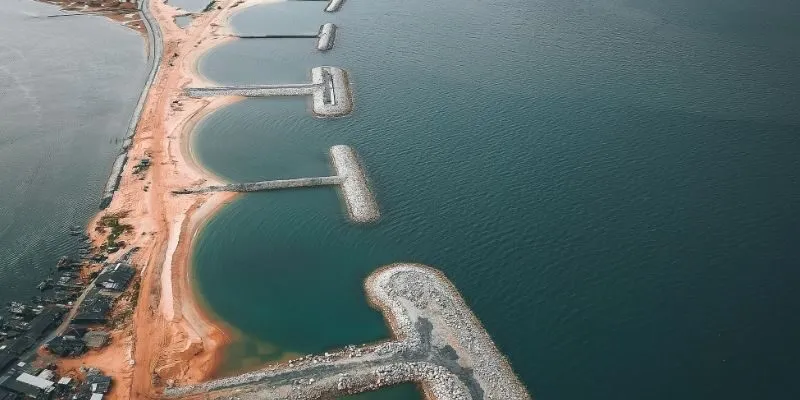
A practical maintenance plan should set daily, monthly, seasonal, and post storm tasks. Inspections within 48 hours after major storms, two public condition updates each year, and six fixed photo points would make performance visible. Coastal structures also need clear ownership, because one organisation may fund construction while another manages cleaning, repairs, or public closures. Transparent records help residents see why repairs, recharge, access limits, or safety notices are needed.
Conclusion
Coastal structures give Newbiggin Reborn a balanced way to combine hard defences, soft buffers, ecological care, and disciplined maintenance. The Newbiggin example shows that rock armour, offshore breakwater design, beach recharge, and public realm planning work best when treated as one coastal system. Future Breakwater Construction decisions should rely on surveys, storm reviews, material checks, community reporting, and climate updates rather than one time construction success.