
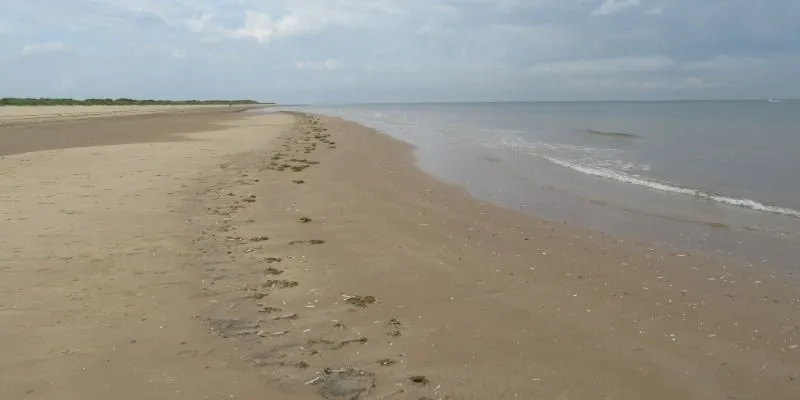
Beach restoration gives Newbiggin Reborn a wider environmental framework than sand replacement alone. The approach considers degraded scenery, access pressure, waste removal, dune stability, water safety, and wildlife protection around the renewed bay. Historic coastal works rebuilt the physical beach, but long term recovery also depends on how people use, maintain, and respect that space.
Comprehensive Beach restoration For Newbiggin Shore Space
The project area needs a recovery model that treats the beach as a living public landscape, not only a defence line. Newbiggin Bay previously suffered serious erosion, while the 2007 protection scheme rebuilt the shore with about 300,000 cubic metres of beach recharge. That intervention created a stronger base for later access, habitat, cleaning, and recreation measures. Restoration should now protect dunes, improve routes, reduce litter, monitor wildlife zones, and maintain safe public use through seasonal checks.

Core Recovery Goals Behind Beach restoration
Landscape decline appeared through exposed clay, reduced sand cover, damaged amenity value, and weaker visual quality along the bay. The central goal is to keep the shore attractive while preserving its protective function against waves and storms. Recovery targets can include two seasonal clean-ups, six fixed photo points, annual access audits, and post-storm inspections. These measures make the programme practical because each target can be checked without relying on vague claims.
Rebuilding Native Vegetation Across Dune Edges
Dune vegetation can slow wind erosion, trap moving sand, and create a softer transition between promenade and shore. Planting should prioritise suitable native species after survey work confirms exposure, trampling pressure, and sediment stability. Beach restoration should use small fenced plots first, then expand only when survival rates exceed 70 percent after one growing season. Signs must explain why young plants need protection, because visitors often damage recovery areas without intending harm.
Removing Industrial Waste And Old Debris
Old debris, storm deposits, abandoned materials, and hidden sharp objects can reduce safety and damage trust in the renewed shore. Clean-up teams should separate general litter, metal fragments, timber, plastics, fishing waste, and possible hazardous material before removal. A quarterly inspection schedule can focus on access points, drainage outlets, rock edges, and areas where tides leave waste. Records should note weight, type, location, and disposal route so future prevention becomes easier.
Redesigning Resident Access Routes To The Beach
Access routes should welcome residents without causing concentrated erosion or conflict between walkers, wheelchairs, prams, and maintenance vehicles. The plan can review ramps, steps, handrails, signage, lighting, seating, drainage, and crossing points from Front Street to the seafront. Improvements should support older users and disabled visitors while keeping sensitive recovery zones protected. A practical target is to inspect all main access routes twice yearly and after severe storms.
Protecting Natural Breeding Areas For Local Species
Wildlife protection should begin with mapping because sensitive areas can shift with tides, seasons, and storm events. Volunteers and ecological advisers can record bird activity, rock-pool health, strandline use, and nesting or breeding signs where relevant. Public guidance may need temporary seasonal boundaries if evidence shows disturbance risk. Responsible management lets people enjoy the coast while giving native species enough space to recover.
Sustainable Management After Beach restoration Work
The recovery plan must continue after the first visible improvements are complete. Sand, vegetation, water quality, visitor behaviour, and access surfaces all change with weather and use. A management calendar should divide tasks by month, storm season, school holiday, and annual reporting cycle. This structure helps officers, contractors, residents, and volunteers understand what must happen before damage becomes expensive.
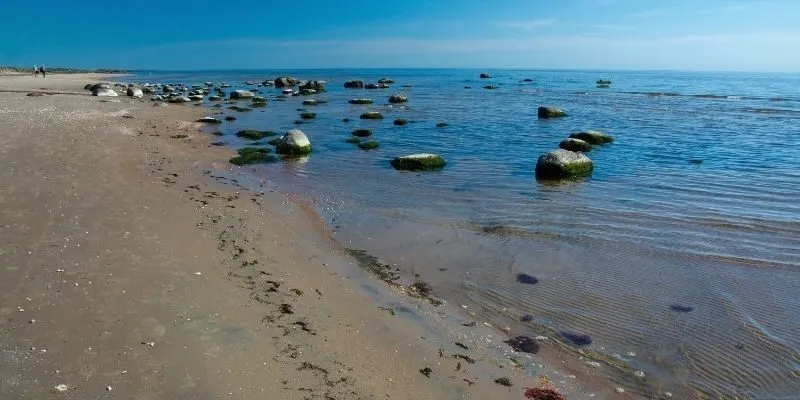
Dune Barriers Against Wind Driven Erosion
Low fencing can protect young dune vegetation and guide foot traffic away from fragile sand surfaces. Beach restoration should use timber posts, rope boundaries, brushwood, or other low-impact materials where surveys recommend them. Barriers must remain visually modest so the bay does not feel fenced off from residents. Inspections should check leaning posts, snapped rope, trapped litter, and informal paths created by repeated shortcuts.
Public Awareness Campaigns For Marine Care
Education can reduce damage by explaining how small actions affect sand stability, water quality, and wildlife. Campaigns should use schools, community groups, seafront boards, social media, and Maritime Centre activities. A yearly target of 500 residents reached through talks, beach walks, or volunteer sessions would give outreach measurable value. Messages should stay practical, asking people to remove litter, respect fenced areas, report hazards, and avoid disturbing wildlife.
Legal Rules For Tourism And Beach Use
Rules must be clear when recreation, conservation, events, and maintenance all share the same space. Beach restoration governance should explain dog controls, event permissions, waste duties, drone restrictions, commercial activity, and emergency access. Enforcement works best when expectations are posted before conflict happens. A public code can support visitors while protecting residents from noise, blocked routes, unsafe behaviour, and avoidable environmental damage.
Water Quality And Shore Safety Testing
Water and shore safety checks protect public confidence as much as health. Testing should consider bathing suitability, visible pollution, storm overflow risk, sharp debris, unstable surfaces, and blocked drainage after heavy rain. Beach restoration monitoring can publish simple results using green, amber, and red status markers. Clear updates help families decide when to visit and help managers spot recurring problems across seasons.
Ecological Influence Of Beach restoration Work
Environmental influence reaches beyond the visible line between sand and promenade. The restored bay can support coastal birds, strandline organisms, intertidal habitats, and public learning when use is guided carefully. Newbiggin’s shoreline also connects with wider heritage and tourism assets, including the promenade, Maritime Centre, and offshore Couple sculpture. Ecological performance should therefore be measured with visitor impact, habitat condition, cleaning outcomes, and post-storm recovery.

A healthier beach can also strengthen the local economy without turning the coast into an overused attraction. Visitors stay longer when the shore looks clean, safe, accessible, and connected to nearby services. Beach restoration can support cafés, guided walks, school projects, photography, and seasonal events if management prevents overcrowding and habitat stress. Suggested indicators include 15 percent growth in off-season promenade activity, two public environmental reports each year, and a recorded reduction in recurring litter hotspots.
Conclusion
Beach restoration gives Newbiggin Reborn a practical route for linking scenery, ecology, safety, access, tourism, and long term coastal care. The earlier engineering work restored a damaged shoreline, but future value depends on vegetation recovery, waste control, route planning, wildlife safeguards, water checks, and honest reporting. A strong Beach Recharge programme should measure results through inspections, public participation, storm reviews, and visible maintenance rather than relying on attractive photographs alone.